9Mar
Quick overview
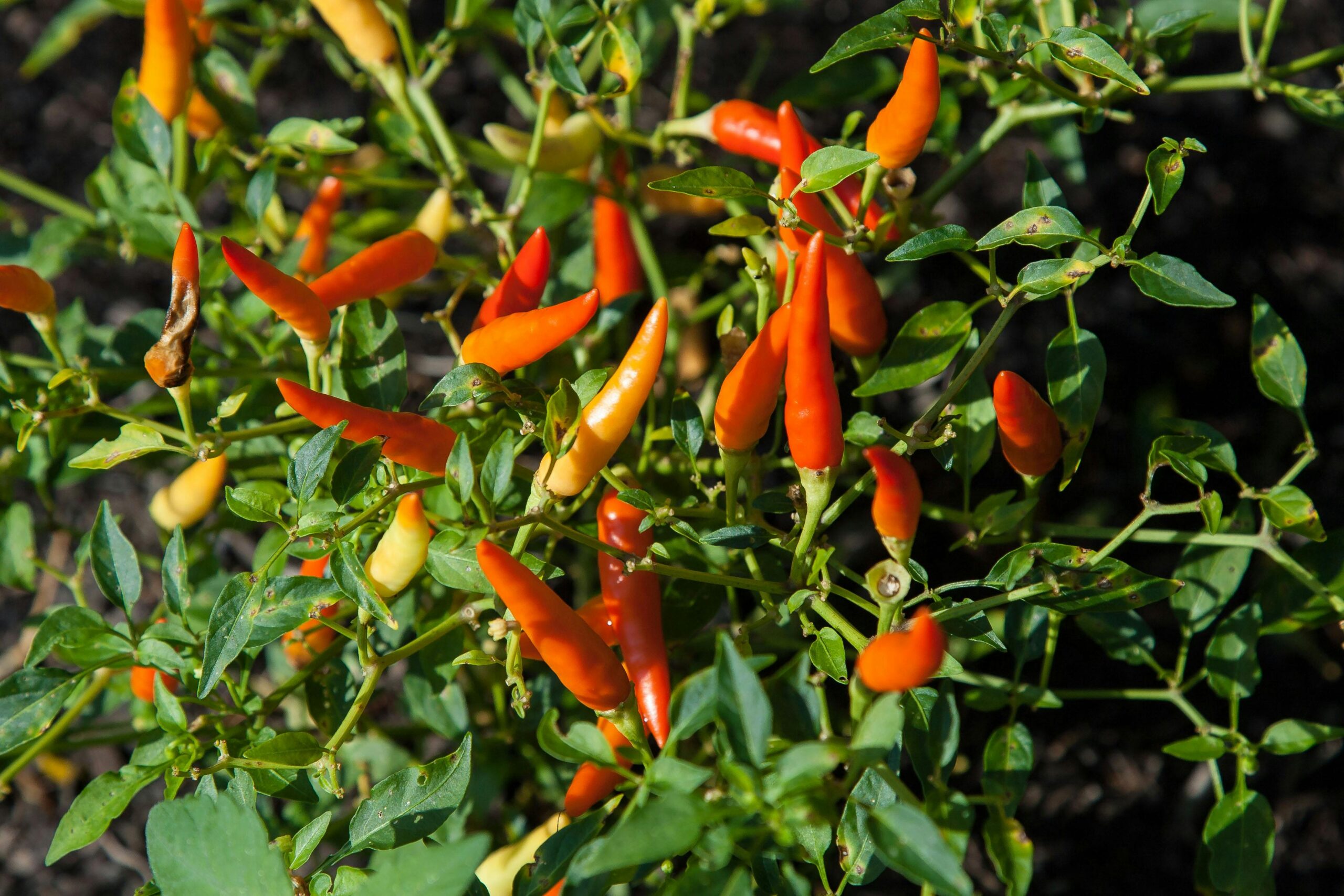
Chili peppers are garden showstoppers: many varieties produce vivid fruits (reds, oranges, yellows, purples) and attractive foliage, and when grown for flavor they reward you in the kitchen. With the right varieties, soil, light, and care, you can have plants that look great in flower beds or containers and yield tasty, high-quality peppers.
1. Choose varieties for both looks and flavor
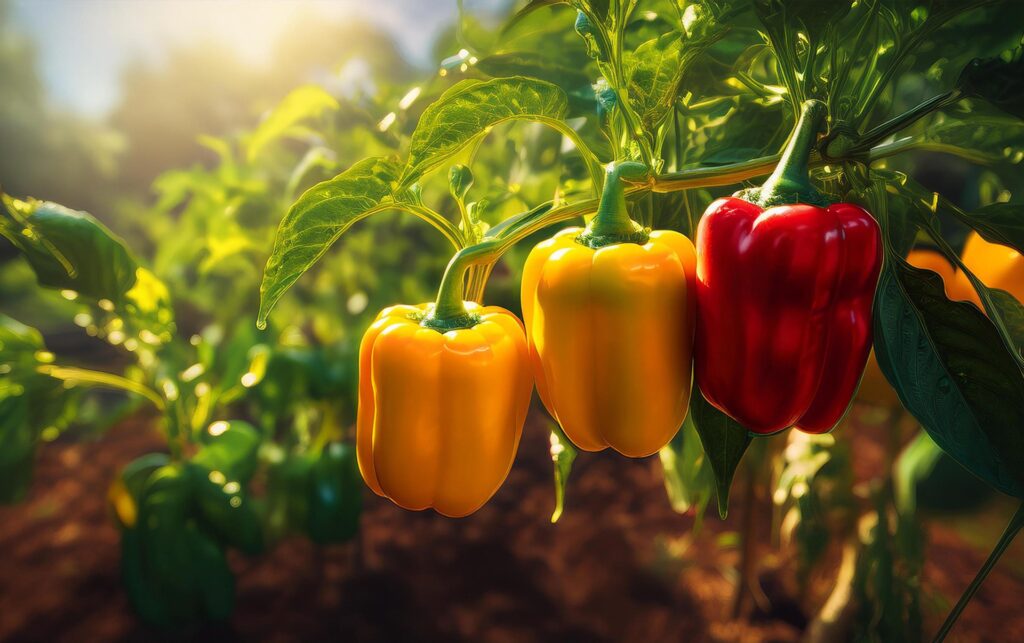
- Pick a mix of types: include at least one sweet or mild pepper (like pimiento or cubanelle), a medium-hot (e.g., jalapeño), and one colorful hot variety (e.g., thai, pequin, or small ornamental peppers such as bola or ornamental capsicum).
- For visual impact choose varieties with contrasting fruit colors and shapes: e.g., purple-leaved plants with red fruit, long yellow peppers, and round orange peppers. This creates a decorative palette across the bed.
- Note: variety names above are examples — match choices to your climate and taste preferences.
2. Site and containers — sunlight is king
- Chili peppers need 6–8 hours of direct sun daily for the best fruiting and color. In hotter climates you can provide afternoon shade to avoid sunscald.
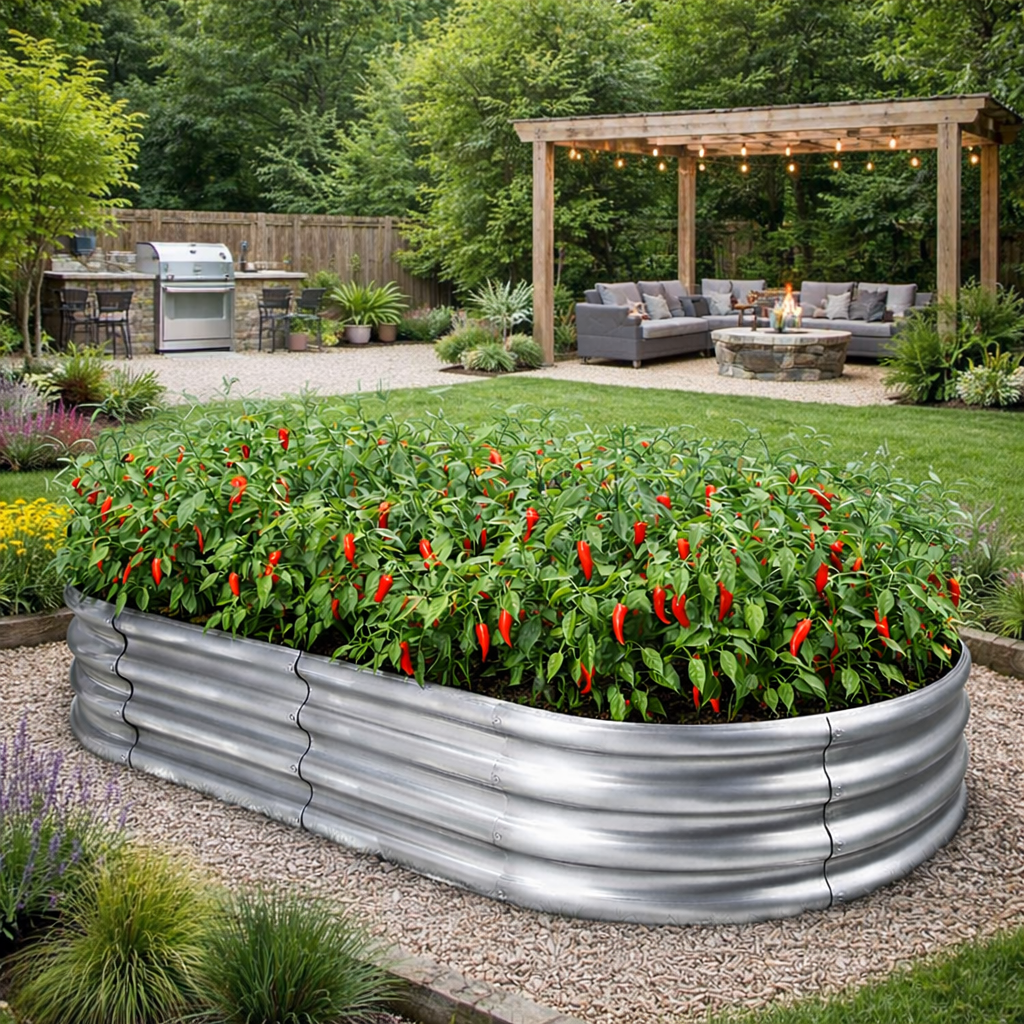
- Raised beds (metal, wood) and containers both work well. Raised beds warm earlier in spring and give good drainage; containers let you move plants for sun or protection.
- Soil depth: allow at least 12–18 inches for roots; most peppers do fine in standard raised-bed depth with loose, well-draining mix.
3. Soil, drainage, and fertility
- Use a loose, humus-rich mix with good drainage. Aim for a slightly acidic to neutral pH (6.0–7.0).
- Amend with compost and a balanced slow-release fertilizer at planting. After the plants set fruit, switch to a fertilizer slightly higher in potassium to support fruit development.
- Avoid heavy nitrogen during fruiting — it promotes foliage at the expense of peppers.
4. Planting and spacing for beauty and health
- Spacing: 18–24 inches for most pepper plants; closer spacing can create a lush, mound-like visual but may increase disease risk.
- Arrange plants in staggered rows or triangular patterns to create a fuller look. Combine tall varieties in the center/back and shorter/ornamental ones near the edges.
- If planting in a formal flower bed, leave edging space so peppers visually connect with flowering companions (salvias, marigolds, cosmos) for color harmony.
5. Watering and mulching
- Water consistently — peppers like even moisture. Deep, infrequent watering that soaks the root zone is better than frequent shallow watering.
- Mulch to conserve moisture, suppress weeds, and moderate soil temperature. Organic mulches (shredded bark, straw) work well.
- Check soil with your finger — water when the top 1–2 inches are dry.
6. Support, pruning, and training
- Many pepper varieties don’t require heavy staking, but larger-fruited types (bell, pimento) benefit from cages or stakes to prevent branches breaking.
- Light pruning (removing a handful of lower leaves and very early flower clusters) can encourage better air circulation and larger fruit.
- For aesthetics, remove yellowing leaves and keep a tidy silhouette — peppers naturally form attractive bushy shapes when well-maintained.
7. Pest and disease management (gentle, practical)
- Keep beds clean of debris. Rotate crops if possible.
- Use physical controls (handpick pests), insecticidal soaps, or neem for small outbreaks. Encourage beneficials (ladybugs, lacewings) by planting nectar plants nearby.
- Good air circulation and watering at soil level reduce fungal problems.
8. Harvesting and maximizing flavor
- Allow many peppers to ripen to full color on the plant for maximum flavor and sweetness — color changes usually signal peak flavor.
- Taste-test early and often: some varieties are at their best when yellow or orange rather than fully red.
- For the hottest flavor, pick at full maturity; for a milder, slightly crunchy bite, pick earlier.
9. Wintering, seed-saving, and season extension
- In warm climates you may overwinter pepper plants in a greenhouse or bright indoor spot.
- Save seeds from fully mature, disease-free fruits. Dry seeds thoroughly before storing.
- Use row covers or cloches early in the season to get a head start on spring.
10. Styling the bed — mixing flowers and peppers for beauty
- Companion planting: low-mounding flowers (calendula, marigold, lobelia) around the edges soften the bed edge and attract pollinators.
- Repeating bright flower colors picks up pepper hues — e.g., intersperse purple basil/ornamental sweet potato vine near red peppers for contrast.
- Use mulch color, painted stakes, or small trellises to add vertical interest and complement pepper colors.
Quick styling tips
- Pair peppers with low, colorful companion flowers (calendula, marigolds, or salvia) to echo pepper hues and attract pollinators.
- Use painted stakes or neat labels for color accents that complement the fruit.