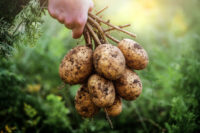

Carrots are one of the most rewarding root vegetables: they’re sweet, versatile, and surprisingly simple when you follow a few basics. Below is a straightforward, step-by-step guide to grow healthy carrots, plus a quick Q&A that tackles the common problems gardeners run into.

Quick overview
- Choose a sunny spot with loose, deep, well-drained soil.
- Sow carrot seed directly (thin, patience required).
- Keep soil evenly moist and weed-free.
- Thin seedlings so roots have room to develop.
- Harvest when roots reach the desired size.
1. When to plant
- Sow carrots in spring as soon as the soil can be worked (often 2–3 weeks before last frost) and again for a fall harvest about 10–12 weeks before the first hard freeze. In mild climates you can sow through much of the year.
2. Soil & bed prep
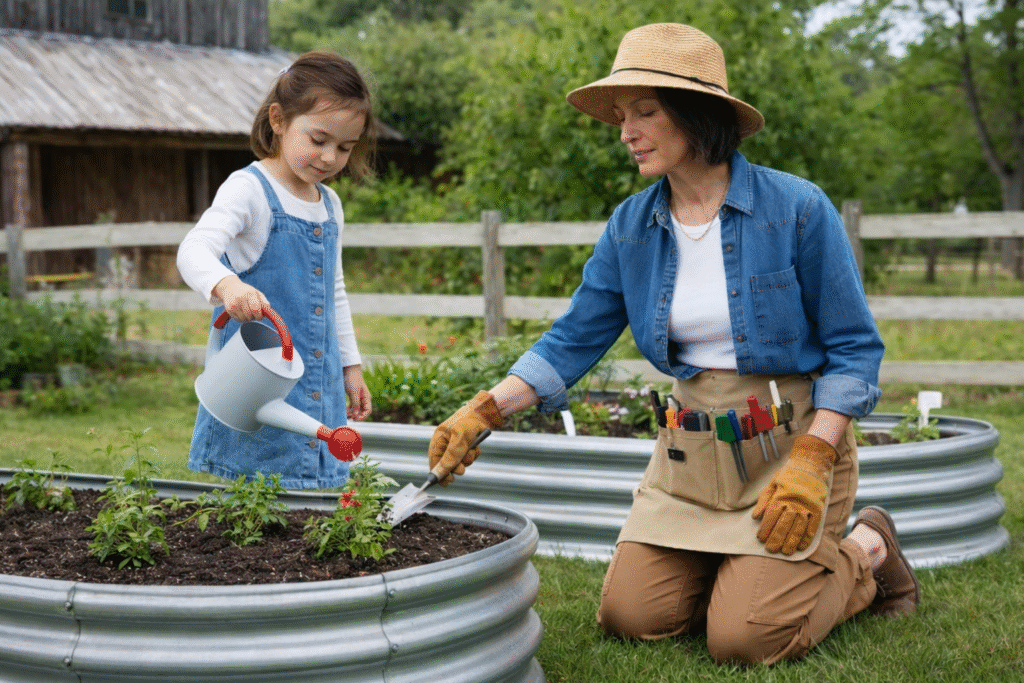
- Carrots like loose, sandy-loam soil with good drainage. Remove rocks, hard clods, and old roots — obstacles cause forked or misshapen roots.
- Aim for a soil pH of about 6.0–6.8.
- Work in a modest amount of well-rotted compost; avoid fresh manure (too much nitrogen → hairy tops, poor roots).
3. Choosing varieties
- Short/round varieties (e.g., ‘Paris Market’) for shallow or rocky beds.
- Long varieties (e.g., ‘Nantes’, ‘Danvers’) for deep, loose beds.
- Pick varieties suited to your bed depth and desired use.
4. Sowing seeds
- Sow thin rows ½–1 inch deep. Carrot seeds are tiny — mix them with sand for more even distribution if helpful.
- Space rows 12–18 inches apart.
- Keep soil consistently moist until germination (7–21 days depending on temperature).
5. Thinning
- When seedlings are ~1–2 inches tall, thin to 1–3 inches apart (depending on variety). Final spacing for full-size carrots is often 2–3 inches. Don’t yank seedlings — snip extras at soil level to avoid disturbing roots.
6. Watering
- Provide steady moisture. Deep, infrequent watering encourages roots to grow down; but avoid letting soil dry out completely during development, which can cause splitting or stunting.
7. Fertilizing
- If soil is well prepared with compost, extra feeding may be minimal. If needed, use a low-nitrogen fertilizer (more phosphorus and potassium) to encourage root development rather than lush tops.
8. Weed control
- Keep the bed weed-free, especially early on. Hand-weed carefully to avoid disturbing carrot roots.
9. Pests & diseases
- Watch for carrot fly (larvae feed on roots) and root-knot nematodes in some areas. Use physical barriers (fine mesh) and crop rotation to reduce problems. Good sanitation and rotation minimize most diseases.
10. Harvesting & storage

- Harvest when carrots reach the size appropriate for the variety. For fresh eating, thin carrots can be harvested earlier as baby carrots.
- Loosen soil with a fork before pulling to avoid breaking roots.
- Store unwashed carrots in a cool, humid environment (refrigerator or root cellar) in moist sand or perforated bags.
Quick Q&A — Common planting problems
Q: My carrots are skinny and small. What happened?
A: Likely causes are poor thinning (crowding), compacted soil, or lack of consistent moisture/nutrients. Thin seedlings, loosen soil before sowing, and keep soil evenly moist.
Q: Carrots are forked or split. How do I prevent that?
A: Forking and splitting usually come from stones/obstructions, compacted soil, or inconsistent watering. Remove obstacles, loosen the bed deeply, and water consistently.
Q: The tops look healthy but roots are stunted.
A: Too much nitrogen (fresh manure or high-N fertilizer) promotes leafy tops at the expense of roots. Use balanced or low-N fertilizer and add more root-friendly amendments (bone meal or rock phosphate sparingly if soil test suggests).
Q: My carrots keep bolting (flowering).
A: Bolting happens when plants experience stress — high temperatures, irregular watering, or being grown from seed of a line not adapted to heat. Plant bolt-resistant varieties and time sowings for cooler parts of the season.
Q: Leaves are yellowing. Is it a disease?
A: Yellowing can be nutrient deficiency, overwatering, or natural aging as roots mature. Check soil moisture and avoid overwatering; a simple soil test can rule out nutrient shortages.
Q: Holes or tunnels in roots — what’s eating them?
A: Likely carrot fly or other soil pests. Use row covers that prevent egg-laying, rotate crops, and avoid leaving exposed soil that attracts adults. Harvest promptly when ready.
Q: Carrots come out curly or twisted.
A: Typically a sign of crowding or obstacles in the soil. Thin properly and remove stones/roots before sowing.
Q: Germination is slow or patchy.
A: Carrot seed germination slows in cold soil and when crusting occurs on the surface. Keep the soil surface evenly moist and, if needed, cover rows with a light mulch or floating row cover to moderate temperature and moisture.
A few troubleshooting tips
- If bed is heavy clay: grow in raised beds filled with deep, loose mix or sow in wide, shallow containers.
- Repeat sowing every 2–3 weeks for a steady harvest (succession planting).
- Use mulch once seedlings are established to maintain moisture and suppress weeds, but keep it thin so small seedlings can break through