
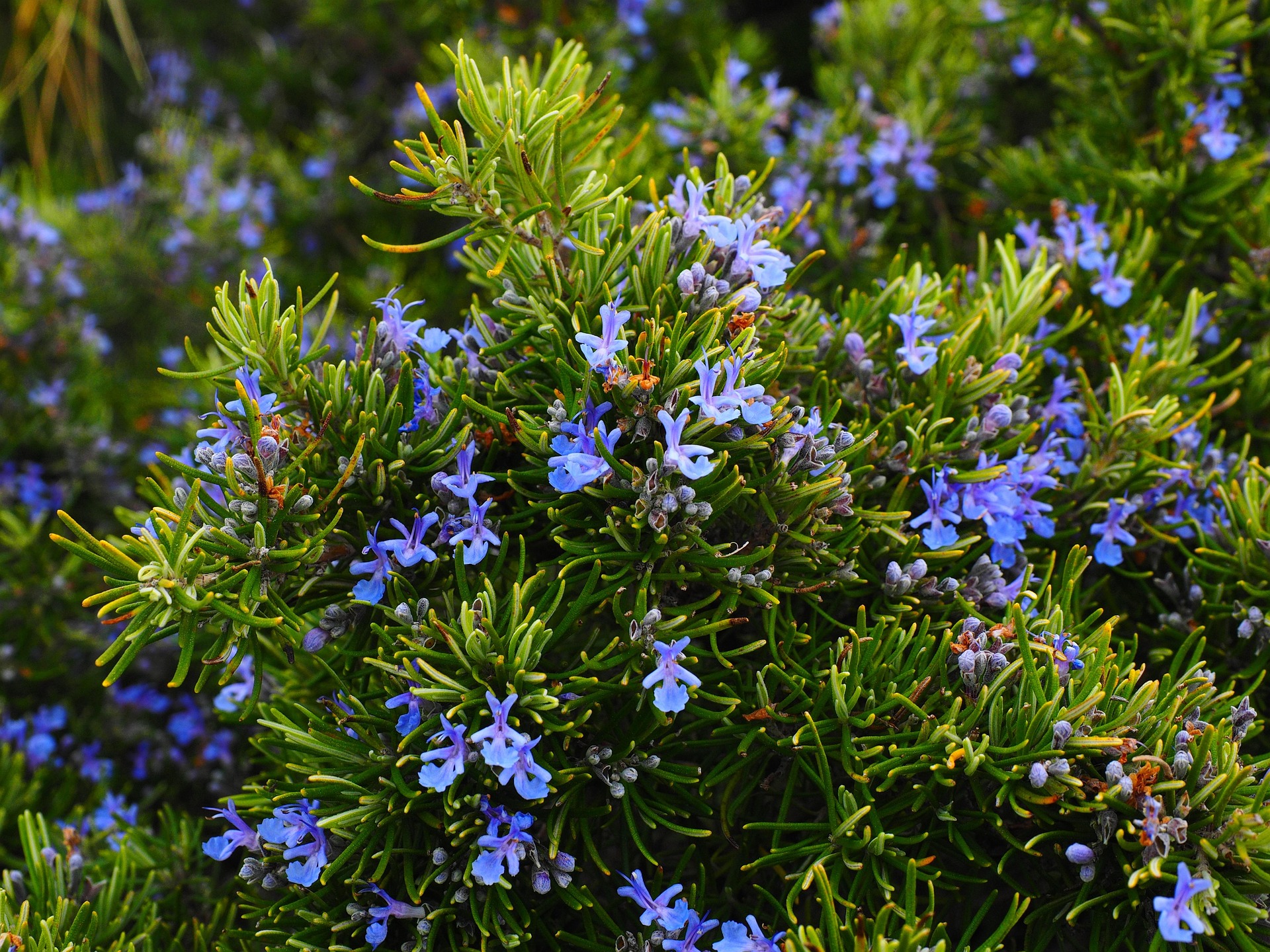
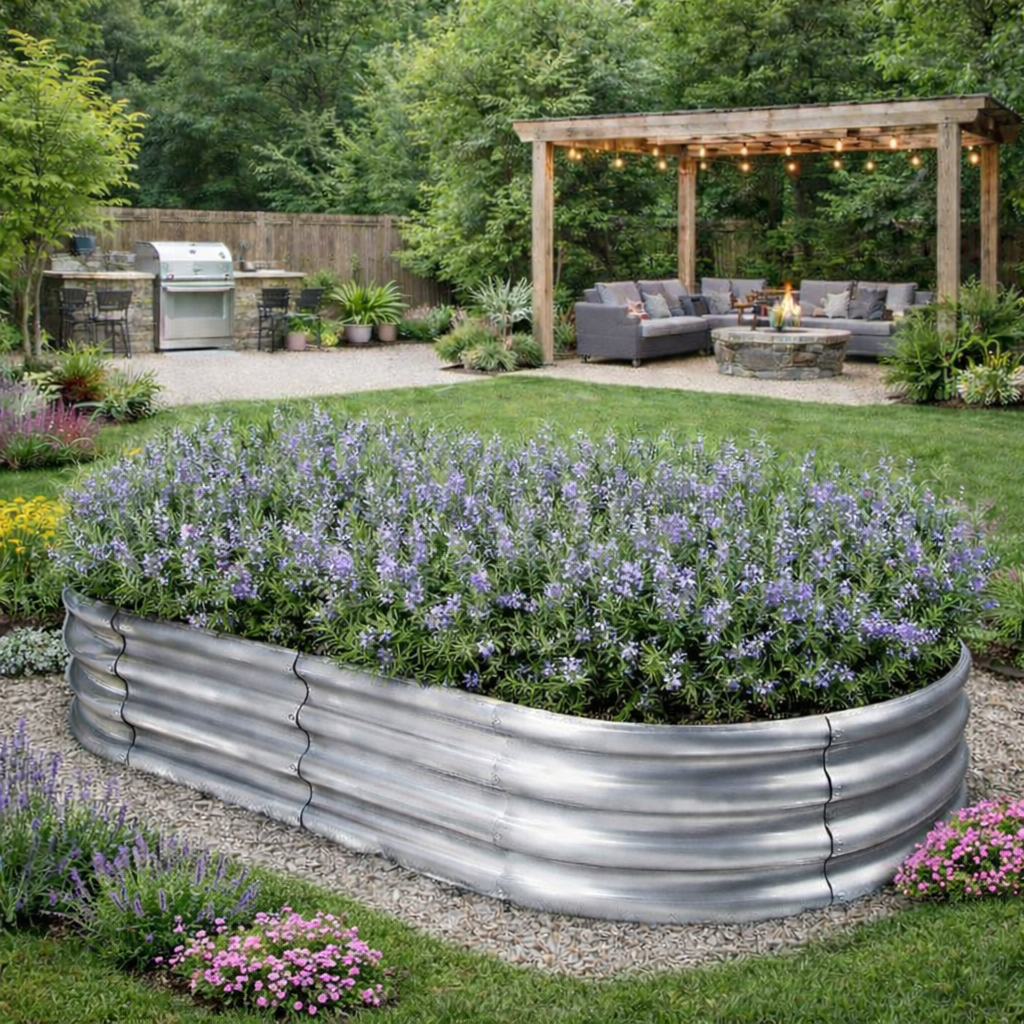
Fresh herbs can instantly elevate home cooking, and rosemary is one of the most popular herbs to grow in a backyard garden. Its fragrant, needle-like leaves add rich flavor to roasted vegetables, meats, breads, and sauces. With the right growing conditions and a well-prepared planting space—such as a sturdy raised garden bed like the one shown in the image—rosemary can thrive and provide fresh herbs for years.
Choosing the Best Location
Rosemary thrives in sunny environments.
For best results:
- Choose a location that receives 6–8 hours of direct sunlight daily.
- Ensure the raised bed has good air circulation.
- Avoid areas where water collects after heavy rain.
A sunny backyard corner, patio area, or garden border works well.
Preparing the Soil
Rosemary grows best in loose, well-draining soil.
A simple raised-bed soil mix could include:
- 50% garden soil
- 30% compost
- 20% sand or perlite
This combination allows water to drain easily while still providing nutrients for the plant.
How to Plant Rosemary
Follow these simple steps:
- Fill the raised garden bed with the prepared soil mixture.
- Dig a hole slightly larger than the rosemary plant’s root ball.
- Place the plant in the hole so the top of the roots is level with the soil surface.
- Fill the soil around the plant and gently press it down.
- Water lightly to help the plant settle.
Leave 18–24 inches of space between rosemary plants so they can grow into small shrubs.
Watering and Basic Care
Rosemary prefers slightly dry soil compared to many other herbs.
Helpful care tips:
- Water when the top inch of soil becomes dry.
- Avoid overwatering, which can damage roots.
- Trim occasionally to encourage fuller growth.
- Good drainage is essential for long-term plant health.
Raised garden beds naturally help control excess moisture.
Why Does Rosemary Turn Yellow?
Sometimes gardeners notice rosemary leaves turning yellow. This usually indicates a growing condition problem.
Common causes include:
1. Overwatering
Too much water is the most frequent reason rosemary turns yellow. Roots can begin to rot in soggy soil.
2. Poor Drainage
Heavy soil that retains water can stress the plant.
3. Lack of Sunlight
Rosemary requires full sun. Insufficient light can weaken the plant.
4. Nutrient Imbalance
Too much fertilizer or poor soil conditions can affect leaf color.
How to fix it:
- Reduce watering frequency.
- Improve soil drainage.
- Move the plant to a sunnier location if needed.
Harvesting Rosemary
Once the plant becomes established, you can start harvesting fresh rosemary sprigs.
Tips for harvesting:
- Cut stems with clean scissors or pruning shears.
- Harvest from outer branches to encourage new growth.
- Avoid removing more than one-third of the plant at once.
Fresh rosemary can be used immediately or dried for later use.
Using Rosemary in Cooking

Rosemary’s strong, aromatic flavor works well in many dishes.
Popular culinary uses include:
- Roasted potatoes and vegetables
- Grilled chicken or lamb
- Homemade bread and focaccia
- Herb-infused olive oil
A small sprig can add a lot of flavor to meals.
Frequently Asked Questions
How long does rosemary take to grow?
Rosemary grows slowly at first but becomes a hardy shrub after about one year of proper care.
Can rosemary grow in containers?
Yes. Rosemary grows very well in pots as long as the container has good drainage and receives plenty of sunlight.
How often should rosemary be watered?
Generally once every 1–2 weeks, depending on weather and soil conditions.
Is rosemary a perennial plant?
In warm climates, rosemary is a perennial and can live for many years.
When is the best time to plant rosemary?
Spring is usually the best time to plant rosemary, after the risk of frost has passed.
Final Thoughts
Growing rosemary in a raised garden bed is an easy and practical way to start a home herb garden. The improved drainage, better soil quality, and organized planting space help rosemary grow healthy and productive.
With sunlight, well-drained soil, and moderate watering, your rosemary plants can provide fresh herbs that enhance your cooking while adding beauty and fragrance to your garden. 🌿