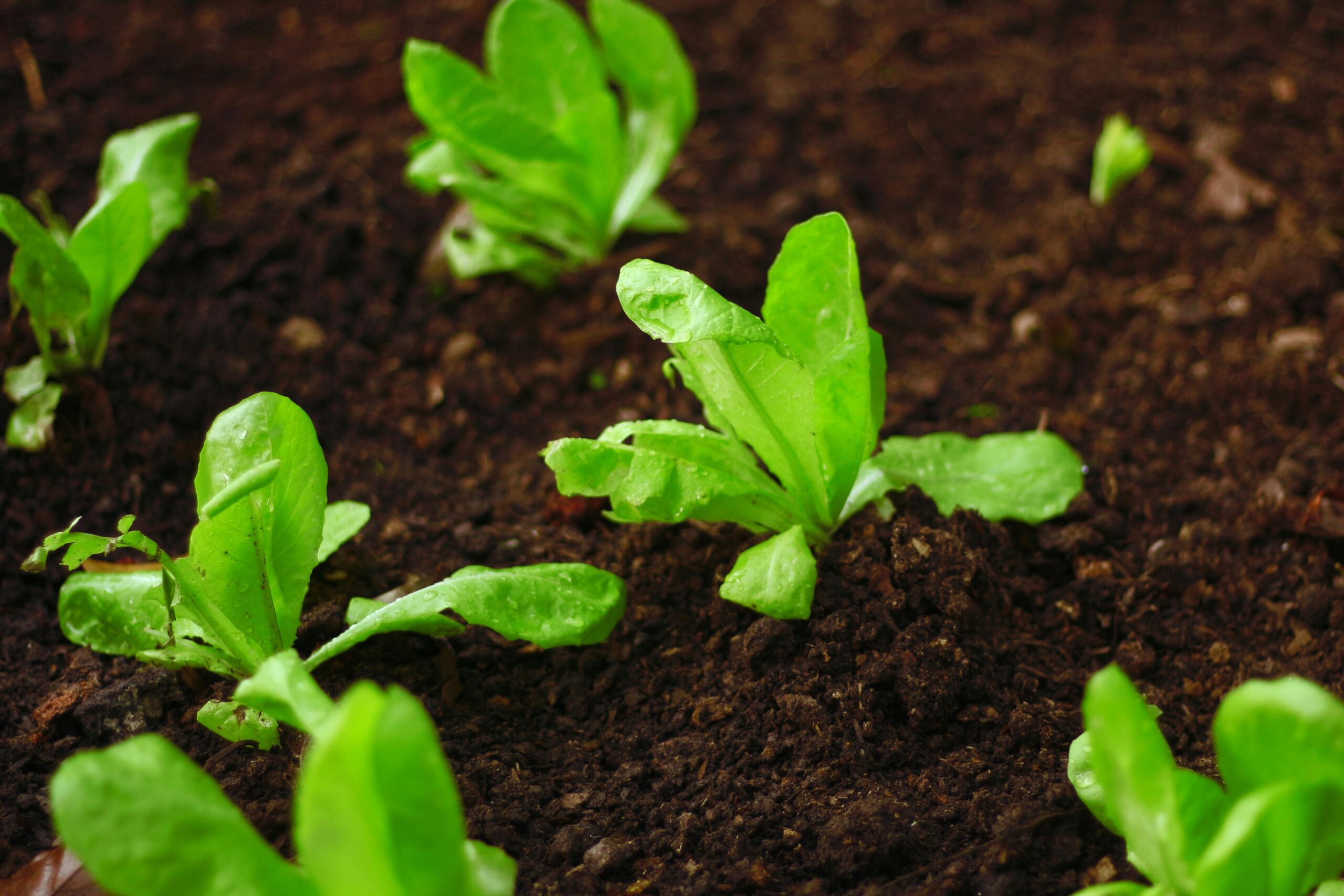
Healthy soil isn’t just dirt—it’s a living ecosystem filled with beneficial microbes, fungi, and organisms that support plant growth. The image highlights six commonly used gardening products that can damage this delicate system, along with smarter, soil-friendly alternatives. If you want stronger plants, better yields, and a more sustainable garden, these swaps are worth making.
- Landscape Fabric → Use Wood Mulch Instead
Landscape fabric is often marketed as a weed-control solution, but it can suffocate soil over time. It limits air exchange, disrupts natural decomposition, and reduces microbial activity beneath the surface.
Better choice: Wood mulch
Suppresses weeds naturally
Retains moisture
Breaks down over time, feeding soil microbes
Encourages fungal networks that support plant roots
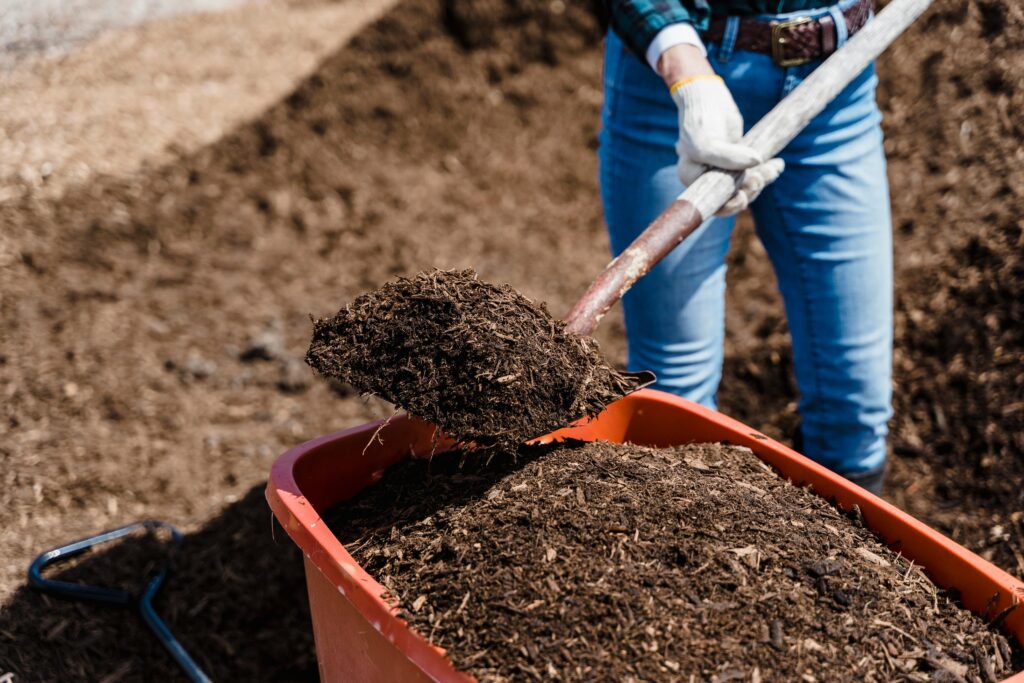
- Synthetic Fertilizers → Use Compost
Synthetic fertilizers provide a quick nutrient boost, but they can harm soil biology. Salt buildup and chemical exposure may kill beneficial microbes and disrupt the natural nutrient cycle.
Better choice: Compost
Slowly releases nutrients
Improves soil structure
Supports a thriving ecosystem of microorganisms
Enhances long-term soil fertility
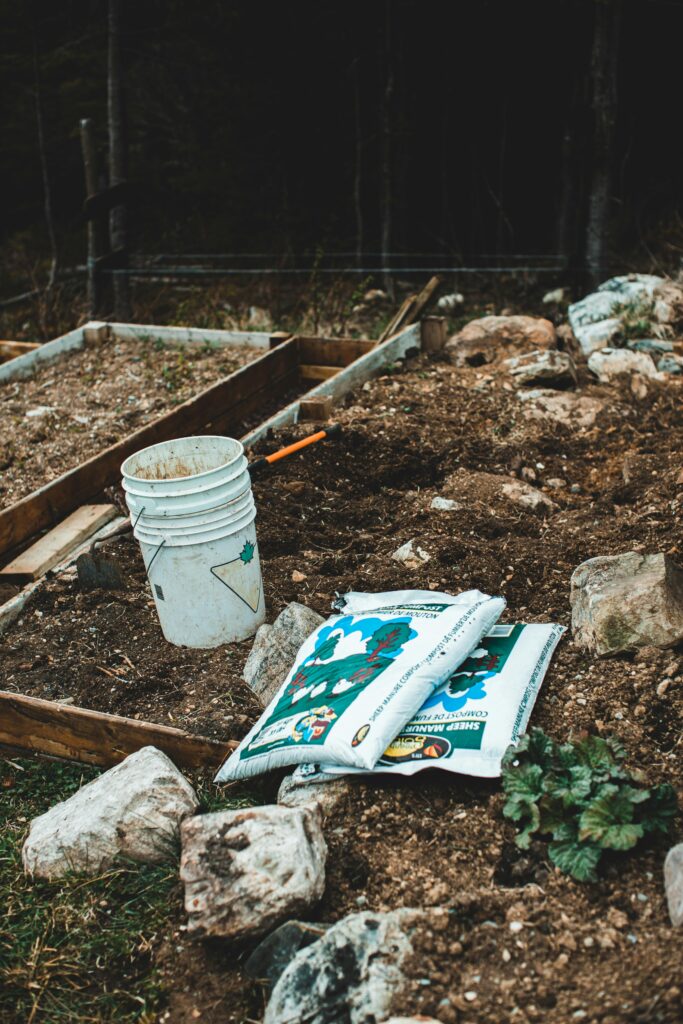
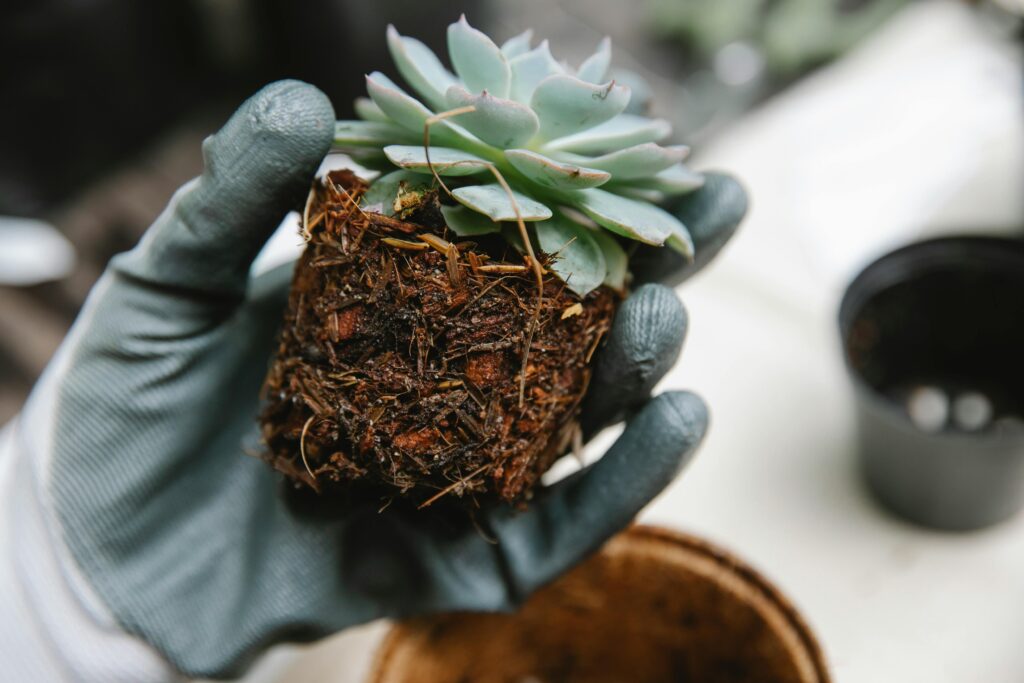
- Peat Moss → Use Coconut Coir
Peat moss has been widely used for moisture retention, but it comes with a major environmental cost. It is harvested from ancient peat bogs that take thousands of years to regenerate.
Better choice: Coconut coir
Renewable and sustainable
Retains moisture just as effectively
Improves aeration in soil
Environmentally friendly alternative
- Heavy Tilling → Use Gentle Aeration (Broadforking)
Tilling may seem like a good way to loosen soil, but it actually destroys fungal networks and soil structure. Over time, this leads to compaction and reduced fertility.
Better choice: Gentle aeration
Preserves beneficial fungi and microbes
Maintains soil structure
Improves root penetration without disruption
Supports long-term soil health
- Chemical Fungicides → Use Compost Tea
Chemical fungicides can kill both harmful and beneficial fungi, disrupting the balance of the soil ecosystem.
Better choice: Compost tea
Introduces beneficial microbes
Helps suppress harmful pathogens naturally
Strengthens plant immune systems
Encourages a balanced soil environment
- Plastic Weed Barriers → Use Cardboard
Plastic sheets block weeds but also trap moisture, reduce oxygen, and eventually break down into microplastics.
Better choice: Cardboard
Biodegradable and safe
Suppresses weeds effectively
Breaks down into organic matter
Improves soil structure over time
Final Thoughts
Modern gardening often prioritizes convenience over sustainability, but small changes can make a big difference. By choosing natural, regenerative alternatives, you’re not just growing plants—you’re building a living, resilient soil system that improves year after year.
Quick Q&A
Q1: Will switching to natural alternatives reduce my yield?
Not in the long run. While synthetic inputs may give quick results, natural methods build healthier soil, leading to stronger plants and more consistent yields over time.
Q2: How long does it take to improve soil health?
You can start seeing improvements within one growing season, but significant changes typically take 1–3 years of consistent care.
Q3: Is compost enough to replace fertilizer completely?
In most cases, yes. High-quality compost provides a balanced range of nutrients and improves the soil’s ability to retain them.
Q4: Can I still control weeds without plastic or fabric?
Absolutely. Mulch, cardboard, and dense planting are highly effective natural weed control methods.
Q5: What’s the biggest mistake beginners make with soil?
Overworking it. Excessive digging, tilling, and chemical use often do more harm than good.