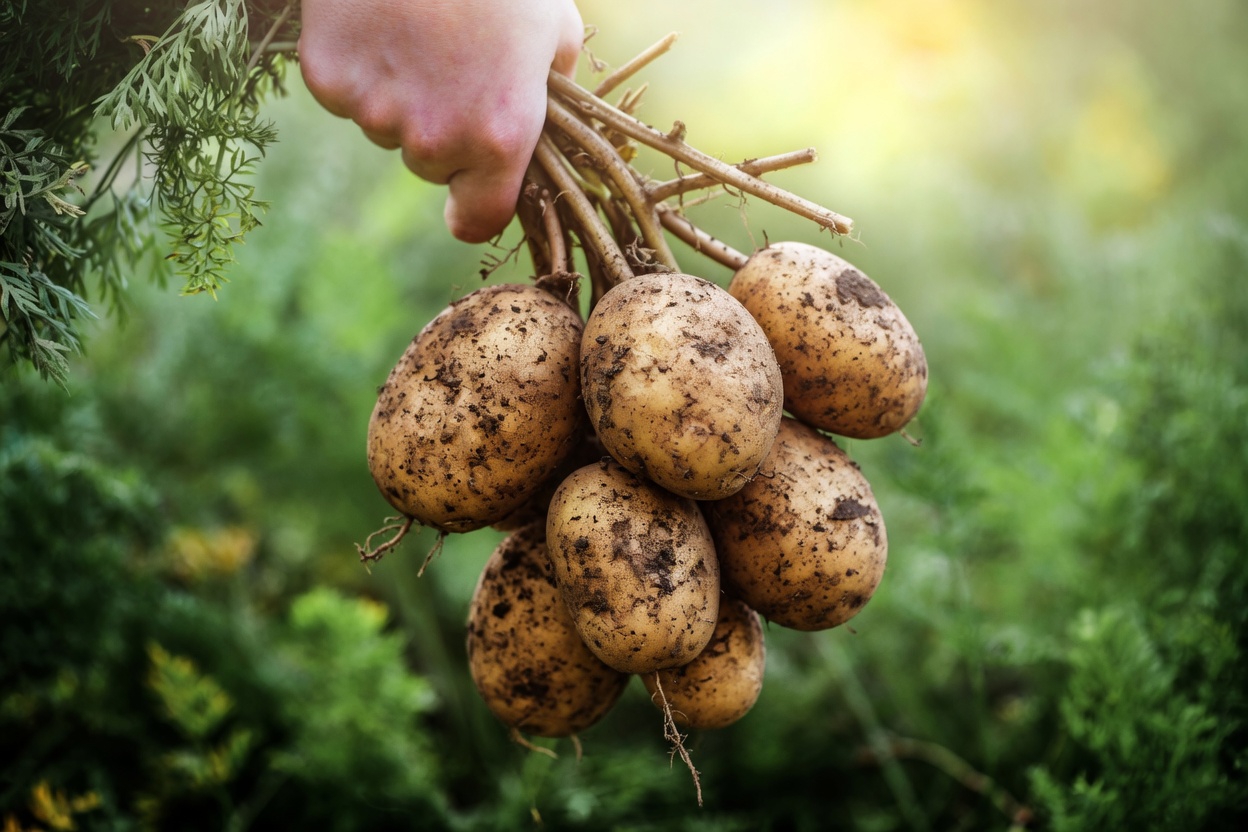
Growing potatoes in a garden bed is one of the most rewarding and beginner-friendly gardening projects. With just a bit of preparation and care, you can produce a generous harvest of fresh, flavorful tubers right in your backyard—even in warm climates like Southern California.
Choosing the Right Potatoes
Start with seed potatoes rather than grocery store potatoes. Seed potatoes are certified disease-free and are more reliable for growing. You can choose varieties based on your taste and climate:
- Yukon Gold – buttery flavor, great for roasting and mashing
- Russet – classic baking potato with fluffy texture
- Red Pontiac – good for boiling and salads
Preparing Your Garden Bed
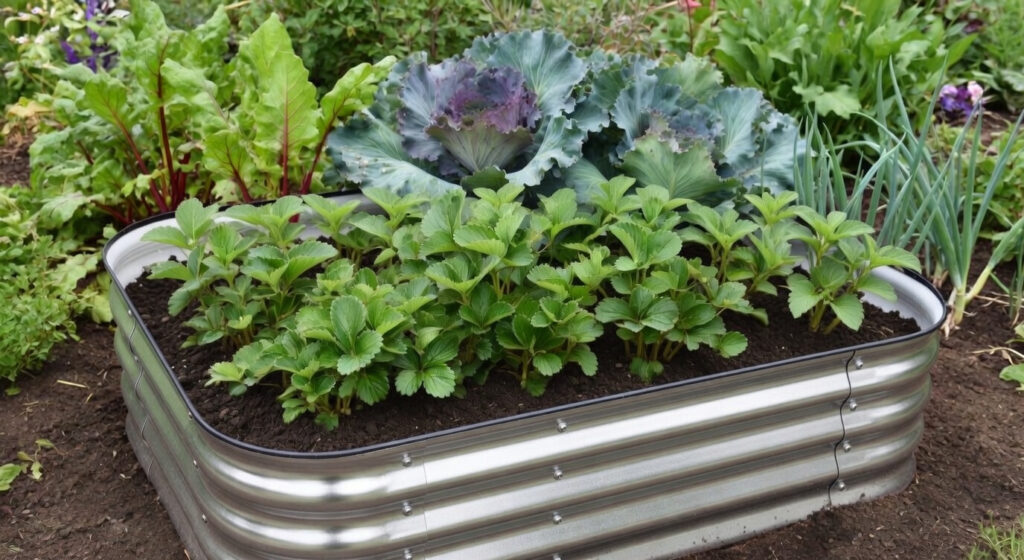
Potatoes need loose, well-draining soil to grow properly. A raised garden bed is ideal because it prevents waterlogging and allows tubers to expand easily underground.
- Choose a sunny location (at least 6–8 hours of sunlight daily)
- Loosen soil to a depth of 10–12 inches
- Mix in compost or aged manure to improve fertility and drainage
Avoid heavy clay soil, as it can cause rot and misshapen tubers.
Planting Potatoes
Before planting, cut larger seed potatoes into chunks with at least 1–2 “eyes” each. Let them dry for 1–2 days so the cut surfaces can callus.
Planting steps:
- Dig trenches about 4 inches deep
- Space seed potatoes 10–12 inches apart
- Place them with eyes facing upward
- Cover lightly with soil
As plants grow, you’ll gradually “hill” soil around the stems to protect developing tubers from sunlight.
Caring for Your Plants
Potatoes need consistent moisture but not soggy soil.
- Water deeply once or twice a week
- Keep soil evenly moist during tuber formation
- Apply mulch (straw or dried leaves) to retain moisture and suppress weeds
When plants reach about 6–8 inches tall, start hilling soil around the stems. Repeat every couple of weeks as they grow.
Sunlight and Temperature Needs
Potatoes grow best in cool to moderate temperatures. In warmer areas like Vernon, California, it’s best to plant in early spring or late fall to avoid extreme summer heat, which can reduce yields.
Fertilizing
Use a balanced fertilizer early in growth, then switch to one lower in nitrogen once plants begin flowering. Too much nitrogen will produce lush leaves but fewer potatoes.
Pests and Problems
Common issues include:
- Aphids (sap-sucking insects)
- Potato beetles
- Fungal diseases like blight
Regular inspection and good air circulation help prevent most problems.
Harvesting Potatoes
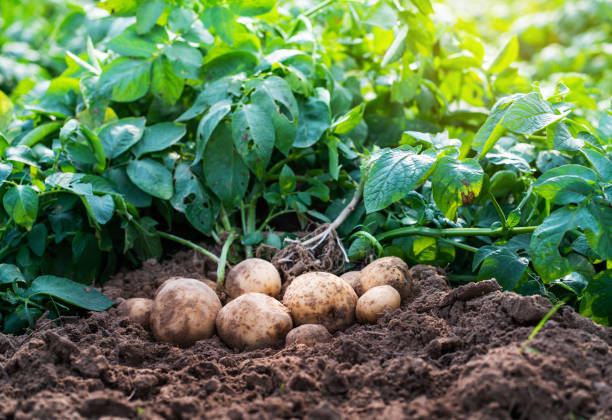
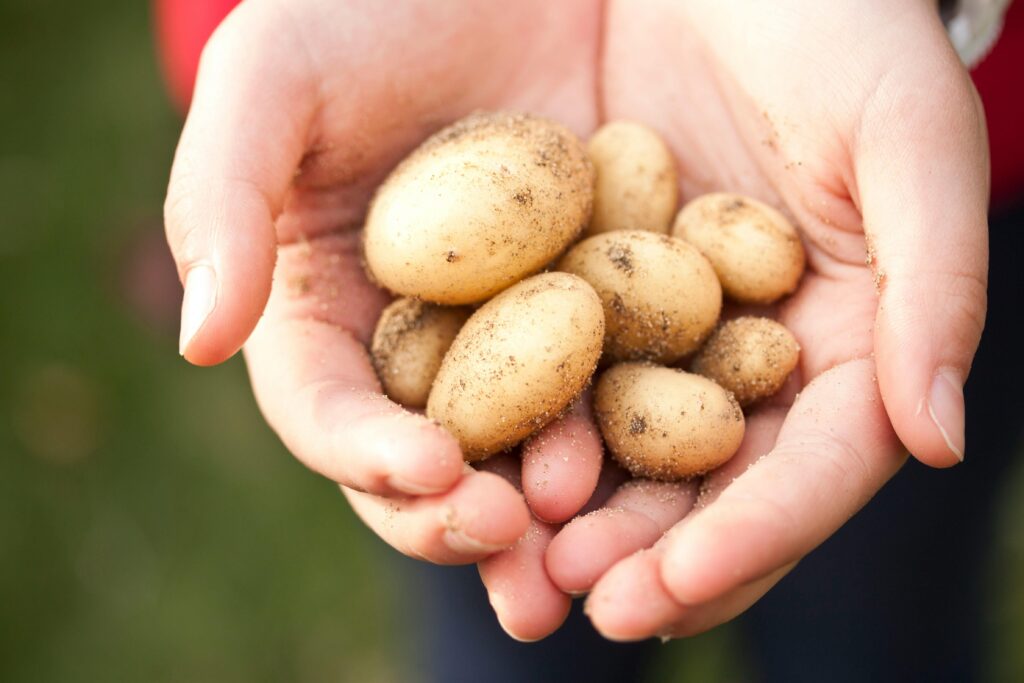
You can harvest “new potatoes” about 2–3 weeks after flowering begins, or wait until the plants die back for a full harvest.
- Gently dig around plants with a fork
- Avoid damaging tubers
- Let harvested potatoes cure in a cool, dark place for 1–2 weeks
Conclusion
Growing potatoes in a garden bed is simple, efficient, and highly productive. With proper soil preparation, consistent watering, and timely hilling, you can enjoy a steady supply of homegrown potatoes throughout the season. Whether you’re gardening for food security or just for fun, potatoes are a dependable crop that delivers big rewards for relatively little effort.