Introduction
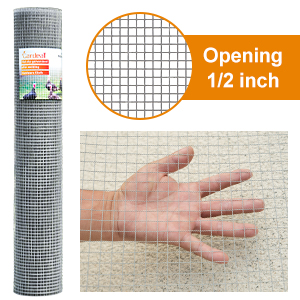
Building a birdcage at home using wire mesh is both practical and rewarding. The roll of mesh you have provides a flexible and durable material that ensures proper ventilation, safety, and visibility for your birds. This guide walks you through creating a secure and functional birdcage.
Step 1: Measure and Cut the Mesh
Calculate the dimensions based on your base. For cylindrical cages, measure the circumference of the pot. For rectangular cabinets, measure each side panel. Use wire snips to cut the mesh to size, ensuring you leave a small overlap for joining the edges.
Step 2:Form the Enclosure
Cylindrical Method: Roll the mesh into a tube. This is a popular choice for “living” cages built around potted plants.
Paneled Method: Fasten flat mesh sheets to a wooden skeleton or bend them into a rectangular box shape to fit over a crate.
Step 3:Secure the Seams and Joints
Fastening is critical for bird safety.
Zip Ties: White nylon zip ties are an effective way to “stitch” the mesh seams together.
Staples/Fasteners: For wooden frames, use heavy-duty staples to flush-mount the mesh to the timber.
Step 4:Install Access and Ventilation
Larger builds, like the wooden cabinet aviary, benefit from transparent front doors (acrylic or glass) combined with mesh sides. This provides a clear view while maintaining ventilation. For smaller mesh-only cages, a simple cut-out door can be fashioned and reinforced.
Step 5:Interior Landscaping and Enrichment
Before sealing the top, outfit the interior based on the cage type:
Natural Perches: Secure thick tree branches horizontally across the mesh or utilize the existing branches of a live potted plant.
Nesting: Suspend woven grass baskets or hollowed-out coconut shells from the mesh ceiling.
Feeding: Clip external gravity-fed seed and water dispensers directly through the wire grid.
Three Cage Types
The Cylindrical “Living” Aviary:This design utilizes a large ceramic planter as the base and a live plant as the internal structure. It is ideal for small birds and creates a naturalistic, airy aesthetic.
The Base: A heavy, stable ceramic pot filled with soil and a sturdy-branched plant.
The Structure: A single sheet of small-gauge galvanized wire mesh is rolled into a tall cylinder.
Assembly: The mesh is secured along the vertical seam using clear or white cable ties. The bottom of the cylinder is pressed into the soil inside the planter rim for stability.
Features: External feeders are clipped directly to the mesh, and woven grass nests are suspended from the internal plant branches.
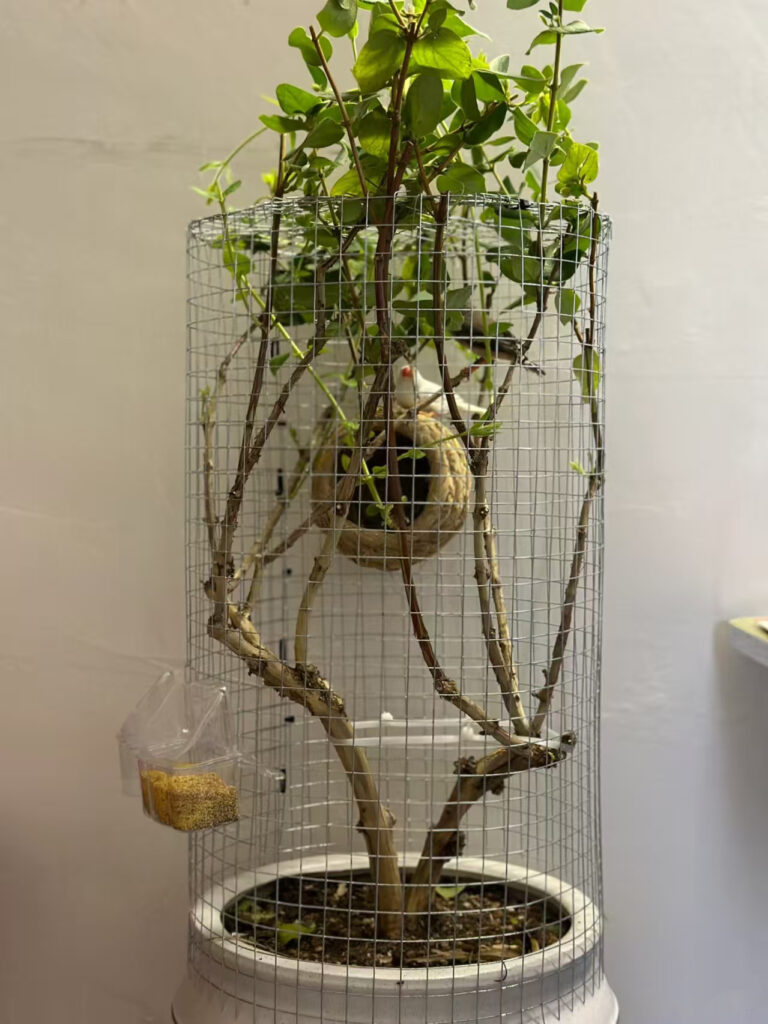
The Wooden-Framed Cabinet Aviary:For a more permanent furniture-style setup, a wooden frame provides a rigid skeleton that can support multiple levels and heavy accessories.
The Frame: A tall, rectangular frame made of bamboo or polished wood.
The Mesh: Wire mesh panels are stapled or fastened to the sides and back of the frame, providing maximum ventilation.
The Frontage: Large, clear acrylic or glass doors are attached with metal hinges to the front, allowing for an unobstructed view of the birds.
Mobility: High-quality casters (wheels) are added to the bottom corners to allow the large structure to be moved easily for cleaning.
Organization: A bottom shelf is often integrated to store birdseed, cleaning supplies, and maintenance tools.
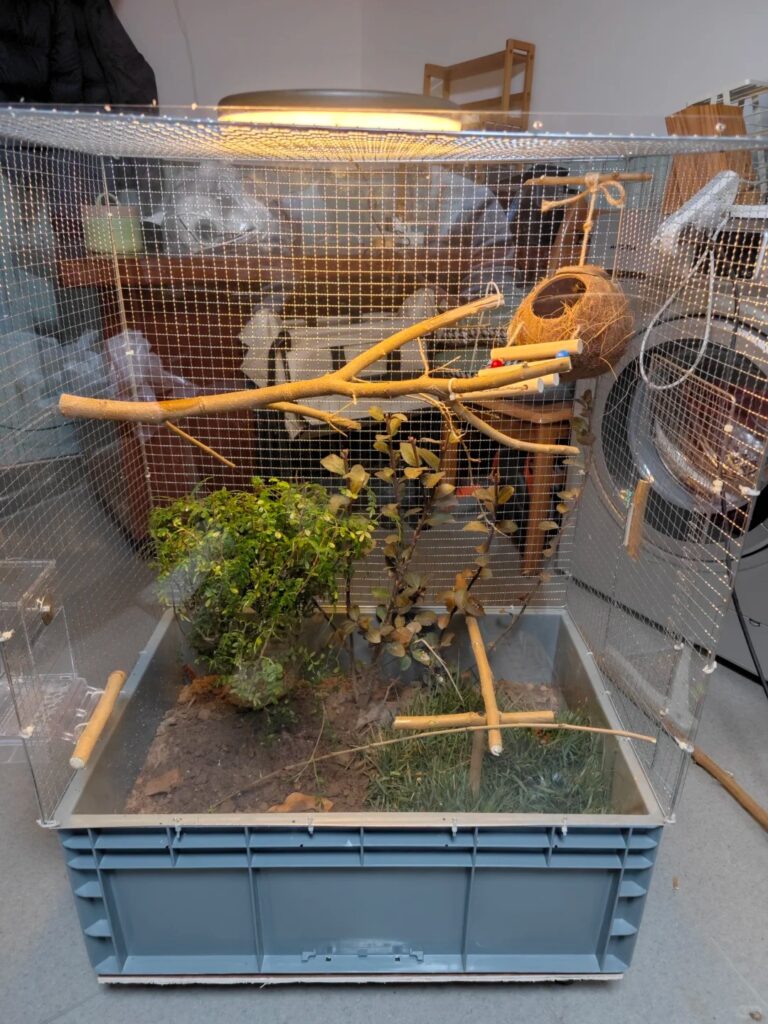
The Industrial Crate-Base Cage:This modular approach uses a plastic industrial bin as the floor, making it excellent for containing substrate and easy to wash.
Nesting: Hollowed-out coconut shells are suspended from the mesh ceiling to provide cozy, natural nesting spots.
The Base: A sturdy gray plastic crate or “tote.”
The Housing: Rectangular mesh panels are joined to form a box that sits perfectly atop the crate.
Internal Environment: Because the base is deep, it can be filled with soil and grass. Large natural branches are wedged horizontally between the mesh walls to act as perches.
Conclusion
With careful planning and the wire mesh shown, you can create a custom, safe, and functional birdcage. This DIY approach allows you to design a cage that fits your space perfectly while keeping your feathered friends comfortable and secure.