
As soil temperatures rise and the risk of frost begins to diminish in many regions, gardeners can take full advantage of garden beds to establish a wide range of crops. Raised beds and contained garden plots are especially effective this time of year, offering better drainage, warmer soil, and improved control over growing conditions.
Cool-Season Vegetables
These crops thrive in the mild temperatures of early spring and can tolerate light frosts, making them ideal for planting at the start of April.
Lettuce
Lettuce is one of the easiest and fastest-growing crops for garden beds. It prefers cool weather and grows best in loose, well-drained soil rich in organic matter. Garden beds allow for dense planting, making it ideal for “cut-and-come-again” harvesting. Different varieties provide a mix of textures and flavors, from crisp romaine to tender butterhead.
Key benefits:
Quick harvest (as little as 30 days)
Ideal for succession planting
Compact root system perfect for shallow beds
Spinach
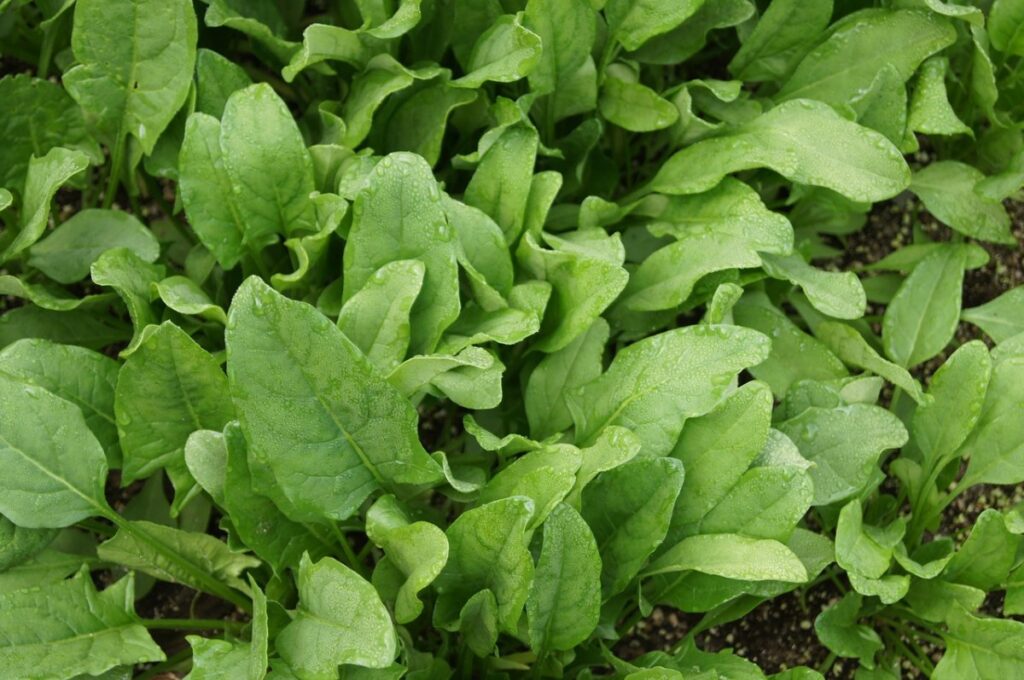
Spinach thrives in the cool, moist conditions of April and grows especially well in raised beds where soil warms slightly faster. It produces dark green, nutrient-dense leaves and prefers consistent watering. In garden beds, spacing can be optimized for continuous harvesting.
Key benefits:
Highly nutritious (rich in iron and vitamins)
Tolerates partial shade
Excellent for early-season yields
Radishes
Radishes are among the fastest-growing crops and are perfect for filling gaps in garden beds. They mature in as little as 3–4 weeks and help loosen soil as they grow. Their compact size allows them to be interplanted with slower-growing vegetables.
Key benefits:
Extremely fast growth
Helps improve soil structure
Great companion plant
Carrots
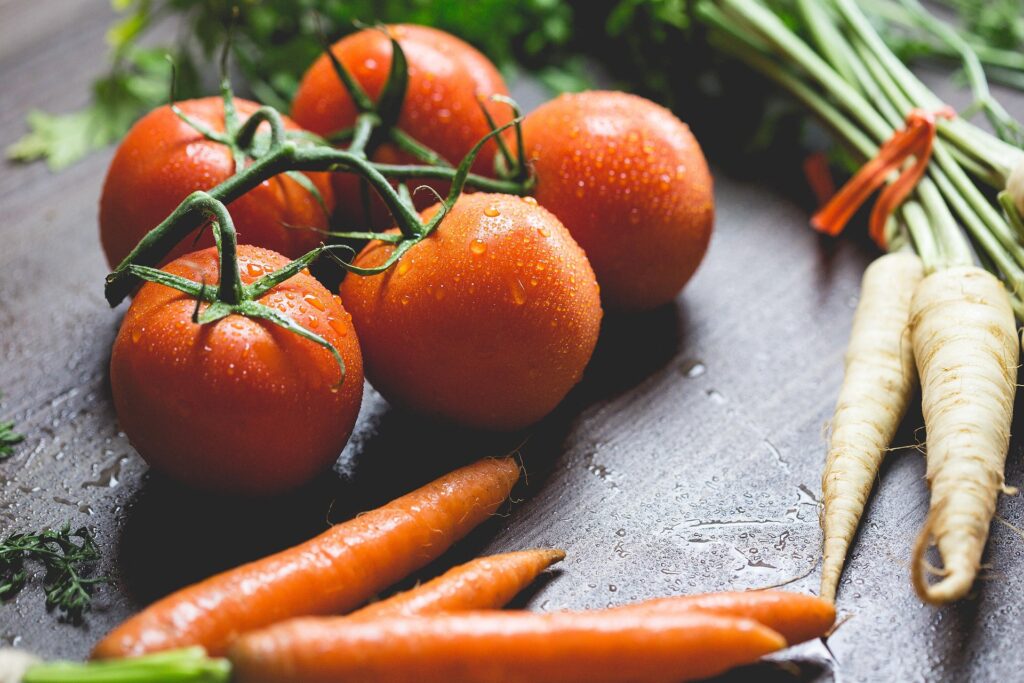
Carrots prefer loose, deep soil—something garden beds are ideal for providing. April is a perfect time to sow seeds directly into the soil. Raised beds prevent compaction, allowing roots to grow straight and uniform.
Key benefits:
Improved root development in soft soil
Long storage life after harvest
Wide variety of colors and shapes
Peas
Peas are climbing plants that do well in garden beds with trellises or supports. They prefer cooler temperatures and can be planted early in April. Their vertical growth habit makes them efficient for small spaces.
Key benefits:
Nitrogen-fixing (improves soil fertility)
Space-saving when grown vertically
Sweet, fresh flavor when harvested young
Hardy Herbs
Herbs are excellent additions to garden beds, offering both culinary and aromatic benefits.
Cilantro
Cilantro grows quickly in cool weather and tends to bolt (go to seed) as temperatures rise. April is one of the best times to grow it. It prefers well-drained soil and moderate watering.
Parsley
Parsley is a biennial herb often grown as an annual. It establishes slowly but thrives in garden beds with rich soil. It can tolerate cooler weather and continues growing into early summer.
Chives
Chives are a perennial herb that returns year after year. In garden beds, they form neat clumps and require minimal maintenance. Their mild onion flavor makes them a versatile kitchen staple.
Warm-Season Crops
As temperatures rise later in the month—especially in warmer regions—gardeners can begin planting crops that require more heat.
Tomatoes
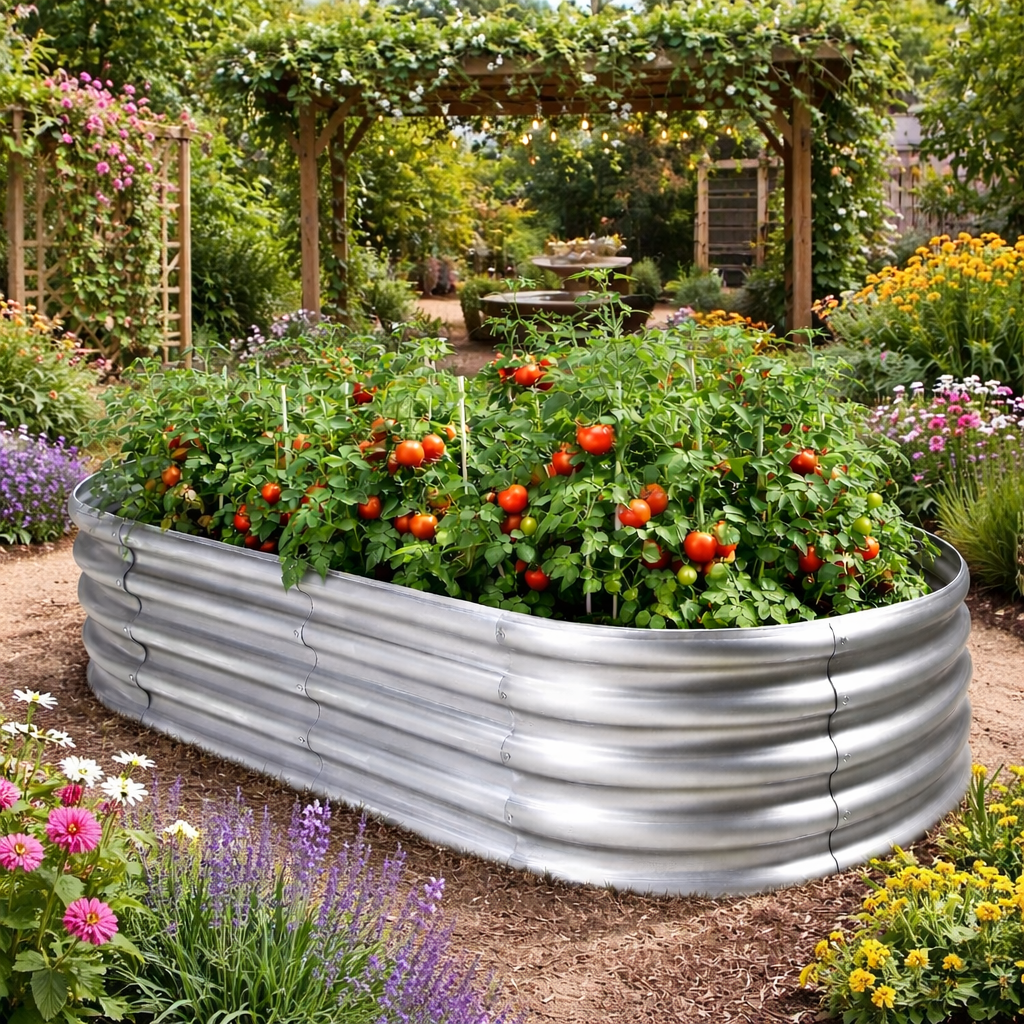
Tomatoes are one of the most popular garden crops in the U.S. In April, they can be transplanted into garden beds in regions where frost risk has passed. Garden beds allow for better soil control, drainage, and root expansion.
Key benefits:
High yields in well-managed beds
Wide range of varieties (cherry, beefsteak, heirloom)
Requires staking or cages for support
Peppers
Peppers need warm soil and consistent sunlight. Raised beds warm up faster than ground soil, making them ideal for early planting. They grow best in nutrient-rich soil with steady watering.
Key benefits:
Compact plants suitable for small beds
High productivity in warm conditions
Versatile culinary uses
Cucumbers
Cucumbers can be planted in late April in warmer areas. They grow rapidly and benefit from trellising in garden beds, which improves air circulation and reduces disease.
Key benefits:
Space-efficient when grown vertically
High water content, refreshing summer crop
Continuous harvest throughout the season
Zucchini and Summer Squash
These vigorous growers are well-suited to garden beds due to their need for rich soil and space. They produce heavily once established and are best planted toward the end of April.
Key benefits:
High yield per plant
Fast-growing and beginner-friendly
Large leaves help shade soil and retain moisture
Root Crops for Continued Planting
Beets
Beets are versatile root crops that grow well in April’s cool-to-mild temperatures. Both the roots and leafy greens are edible. Garden beds help maintain the loose soil structure they need.
Turnips
Turnips grow quickly and are well-suited for early spring planting. They are less commonly grown but highly productive and adaptable to different soil conditions.
Final Tips for April Garden Bed Success
Soil Preparation: Enrich beds with compost or organic matter before planting.
Spacing: Raised beds allow closer spacing, but avoid overcrowding to prevent disease.
Watering: Keep soil consistently moist, especially for seeds and young plants.
Succession Planting: Replant fast-growing crops like radishes and lettuce every 1–2 weeks for continuous harvest.
Frost Awareness: Be prepared to cover tender plants if unexpected cold snaps occur.