
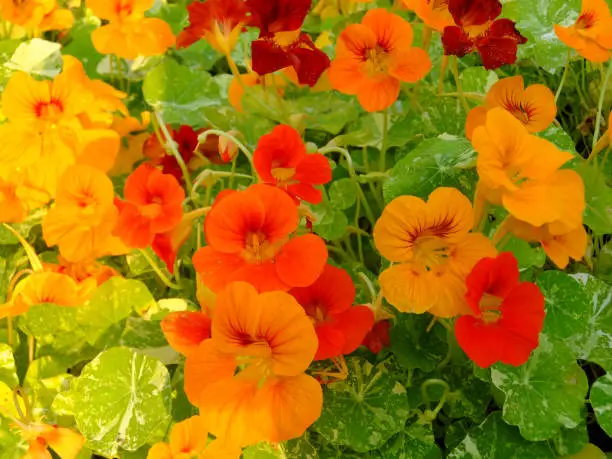
Nasturtiums are one of the easiest and most rewarding flowers to grow, making them perfect for backyard gardeners of all experience levels. With their bright, cheerful blooms and fast growth, they can quickly transform a simple planting space—especially when grown in a clean, structured setup like a galvanized raised garden bed.
Why Grow Nasturtiums?
Nasturtiums are loved for their vivid colors, round leaves, and low-maintenance nature. They are also edible, with a peppery flavor that works well in salads. Whether you want to add color, attract pollinators, or fill empty spaces, nasturtiums are a versatile choice.

Choosing the Right Variety
There are two main types of nasturtiums:
- Bush varieties: Compact and tidy, ideal for borders and smaller garden beds
- Trailing varieties: Sprawling and cascading, perfect for letting spill over the sides of raised beds or containers
Ideal Growing Conditions
Nasturtiums thrive in:
- Full sun (6–8 hours daily), though they tolerate partial shade
- Well-drained soil, even if it’s not very rich
- Moderate temperatures, avoiding extreme heat
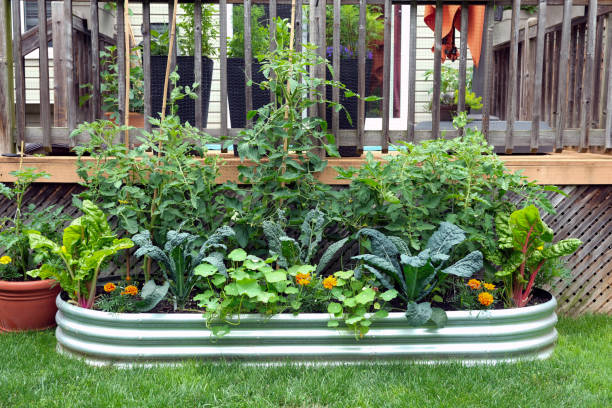
Raised garden beds are particularly useful because they improve drainage and warm up faster in spring, helping seeds germinate more quickly.
How to Plant Nasturtiums
Planting nasturtiums is simple:
- Wait until after the last frost
- Direct sow seeds into the soil about ½ inch deep
- Space seeds 8–12 inches apart, depending on the variety
- Water lightly after planting
Watering and Care
Keep soil lightly moist during early growth
Once established, water occasionally, allowing soil to dry slightly between watering
Avoid overwatering—raised beds already help prevent excess moisture
Nasturtiums do not need fertilizer. In fact, poorer soil often results in more flowers and fewer leaves.
Maintenance Tips
- Deadhead spent flowers to encourage more blooms
- Lightly trim if plants become too leggy
- Let trailing varieties spill naturally over the sides of your raised bed for a relaxed look
The garden bed helps keep growth manageable while still allowing the plants to spread attractively.
Common Problems
- Lots of leaves, few flowers: Too much fertilizer or not enough sun
- Yellowing leaves: Overwatering or poor drainage
- Aphids: Spray off with water; nasturtiums can also act as a trap plant
Quick Care Summary
- Full sun is best
- Use well-drained, average soil
- Sow seeds directly after frost
- Water moderately
- Avoid fertilizing
Final Thoughts
Nasturtiums are an excellent choice for adding color and life to your backyard, especially when paired with a simple, structured planting space like a raised metal garden bed. With minimal care, they reward you with continuous blooms, edible flowers, and a vibrant, natural look that enhances

FAQ
Do nasturtiums spread a lot?
Trailing varieties do, making them perfect for spilling over the edges of garden beds.
Are nasturtiums beginner-friendly?
Absolutely. They are one of the easiest flowers to grow from seed.
Do they need fertilizer?
No—too much fertilizer can actually reduce flowering.
When should I plant them?
After the last frost, when the soil has warmed up.