

Table of contents
1.Space planning
2.Choosing flower bed types
3.Layout and arrangement
4.Plant selection
5.Soil and fertilizer
6.Irrigation and maintenance
7.Decoration and personalization
Introduction
Small gardens reward thoughtful design. With limited space, every decision matters — the right layout, plants, and care routine can make a tiny plot feel lush, usable, and delightful year-round. The goal isn’t to cram everything in, but to create a feeling of abundance through layering, texture, and scale. Whether you have a balcony, a narrow strip beside the house, or a postage-stamp backyard, this guide walks you through planning, plant choices, and practical care.
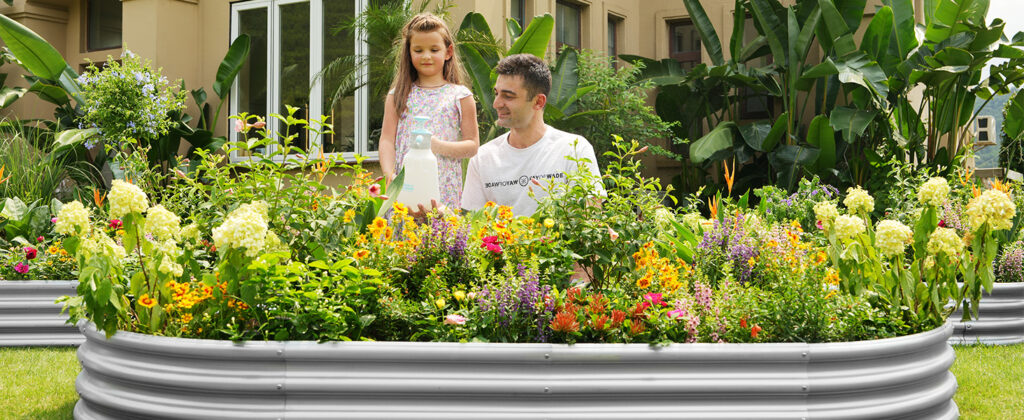
1. Space planning — measure, observe, prioritize
- Measure precisely. Note length, width, and fixed features (doors, windows, trees, utilities). Sketch to scale (1 square = 1 ft or 0.5 m).
- Observe sunlight & microclimates. Track sun/shade through the day and note wind or heat reflections from walls.
- Decide how you’ll use the space. Seating, dining, container veg, ornamentals, storage — combine functions where possible.
- Set a focal point. One or two focal elements (specimen plant, sculpture, water feature, cozy seat) simplify the design and draw the eye.
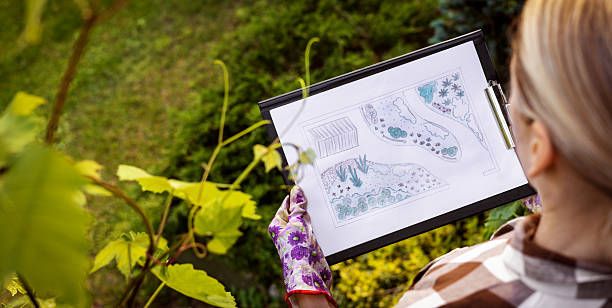
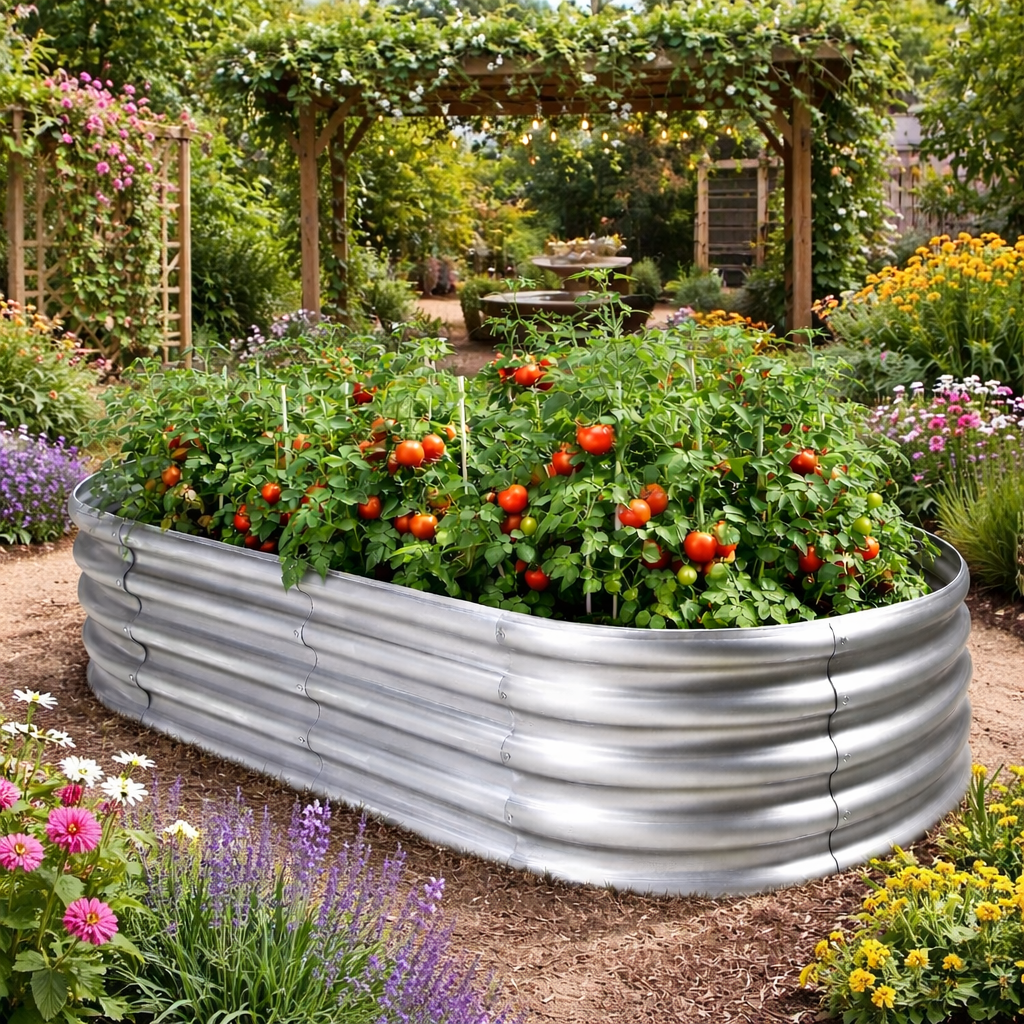
2. Choosing flower bed types (what works best in small spaces)
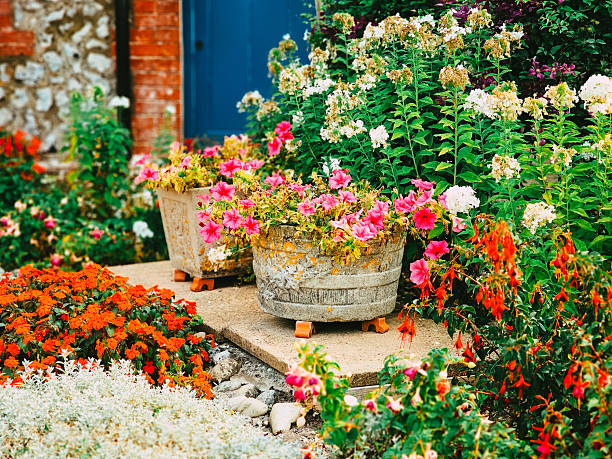
- Containers & pots — portable and flexible; ideal for balconies and paved yards.
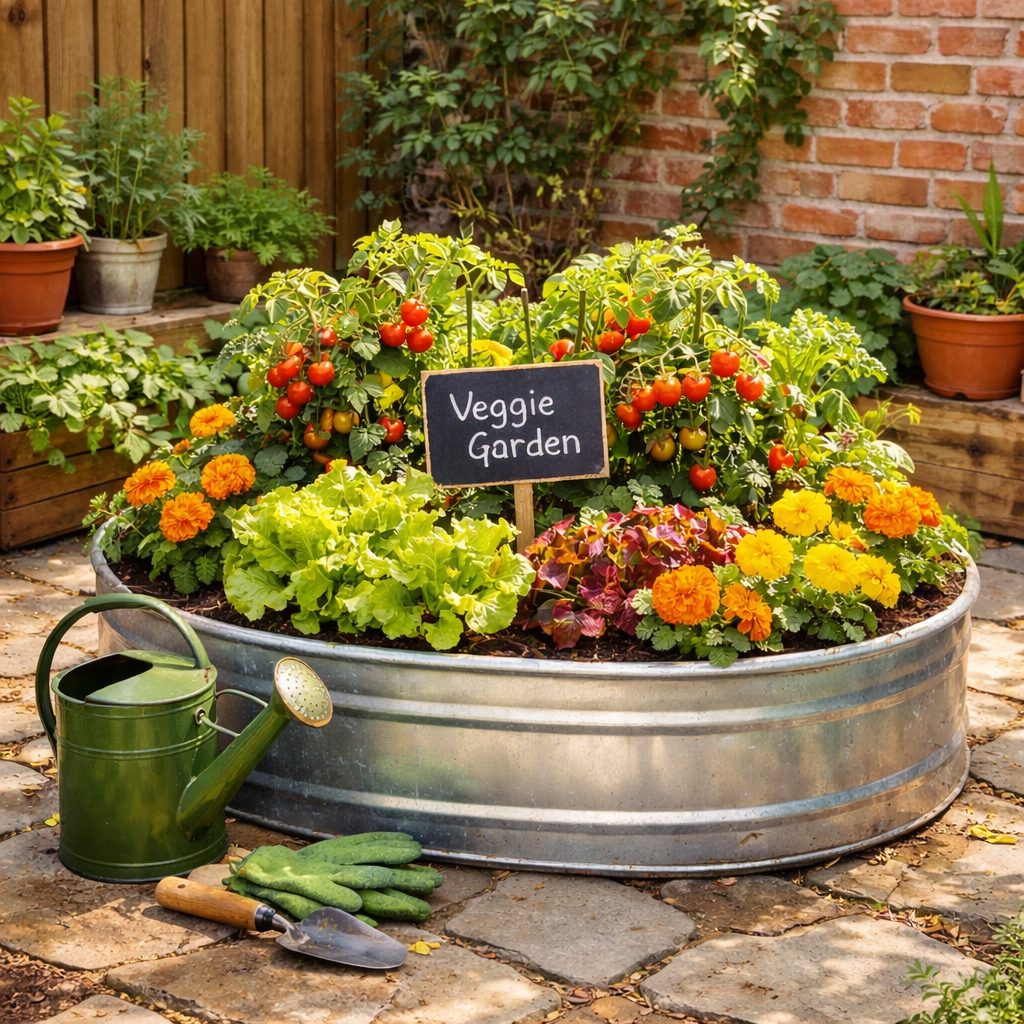
- Raised beds — tidy, ergonomic, and great for veg or mixed borders.
- Border/edge beds — narrow beds along paths or fences for linear plantings.
- Vertical beds & trellises — climbing plants and pocket planters multiply growing area.
- Window boxes / mixed planters — use the “thriller, filler, spiller” formula for layered displays.
Choose bed types based on sunlight, permanence, and access.
3. Layout and arrangement — make small look spacious
- Clear circulation. One main path leading to the focal point feels larger.
- Repetition & scale. Repeat a few plant varieties in odd-numbered groupings (3 or 5) to create rhythm.
- Vertical layering. Mix tall (small trees/climbers), mid (shrubs/perennials), and low (groundcovers) for depth.
- Diagonal sightlines & soft curves. Diagonals and gentle curves trick the eye into seeing more space.
- Proportion seating & hardscape. Choose compact furniture that fits the space rather than overwhelming it.

4. Plant selection — smart, small, and multi-tasking plants
- Pick compact varieties. Look for dwarf/patio cultivars.
- Texture & foliage. Variegation, grasses, and glossy leaves keep interest off-season.
- All-season interest. Mix evergreens, spring bulbs, summer perennials, and plants with autumn/winter structure.
- Pollinator-friendly choices. Lavender, salvia, borage, cosmos, and many native wildflowers.
- Edible + ornamental. Herbs and dwarf fruits (rosemary, dwarf blueberries, salad greens) add function and beauty.
- Sun/shade selection: match plants to the observed light patterns.
5. Soil and fertilizer — the foundation of success
- Test the soil. Basic pH/texture tests guide amendments. Use quality potting mix for containers.
- Improve structure. Add compost to boost water retention, drainage, and nutrients.
- Mulch. 2–3 inches of organic mulch conserves moisture and suppresses weeds.
- Feeding plan. Slow-release organic granular in spring for beds; liquid feed every 2–4 weeks for containers. Avoid overfertilizing.

6. Irrigation and maintenance — efficient systems for small spaces
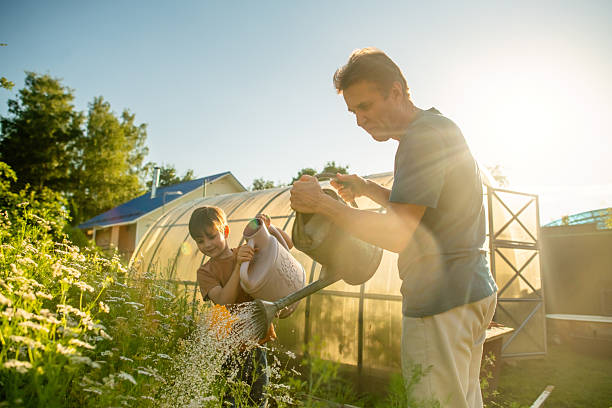
- Watering basics. Established beds often need ~1 inch/week; containers dry faster and may need daily checks in heat.
- Efficient options: drip irrigation or soaker hoses with timers, self-watering pots, and rain barrels.
- Simple maintenance rhythm: weekly checks (water, pests, deadheading), monthly trims/fertilizing, seasonal tasks (mulch refresh, divide perennials).
- Pest & disease approach. Encourage beneficial insects, handpick pests, use row covers or insecticidal soaps when needed.
7. Decoration and personalization — make it yours
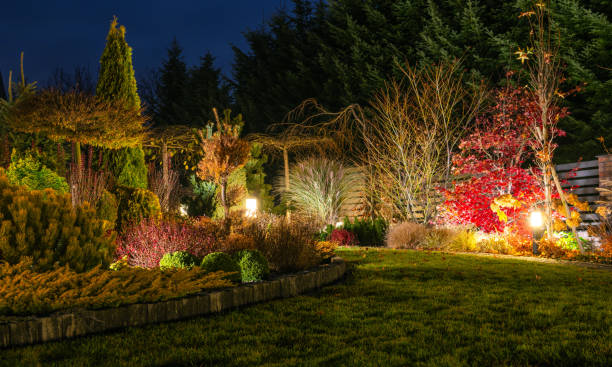
- Lighting. String lights, solar path lights, and focused uplighting create ambience and usable evenings.
- Furniture & textiles. Foldable furniture, cushions, and an outdoor rug define seating without overwhelming.
- Art & vertical accents. Weatherproof mirrors add depth; trellises, narrow sculptures, and vertical planters save space.
- Color palette. Limit to 2–3 dominant colors plus accents for cohesion. Monochrome or analogous palettes feel calm and spacious.
- Scent & touch. Plant fragrant species near doors/seating (jasmine, lavender, lemon balm) and include tactile plants (lamb’s ear).
- Seasonal swaps. Use containers for seasonal plant rotation (spring bulbs → summer annuals → fall color).
8. Accessibility, sustainability, and safety tips
- Accessibility. Keep paths at least 2.5–3 ft wide; consider raised beds at bench height.
- Sustainability. Favor natives, compost, reduce lawn, conserve water, and minimize chemicals.
- Safety. Keep sightlines clear around gates/driveways and avoid spiky or toxic plants if pets/children use the garden.
Conclusion
A well-designed small garden maximizes function, creates perceived depth through careful layering and repetition, and reflects your personality. Start with measurements and sunlight observations, choose compact multi-purpose plants, invest in good soil and efficient watering, and finish with lighting and personal accents. Tweak over time — small gardens are forgiving and grow into their best selves with a little attention.