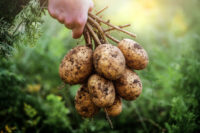

There’s something deeply satisfying about picking fresh vegetables from your own garden—crisp leaves, ripe fruits, and the unbeatable flavor of homegrown produce. You don’t need a huge space or years of experience to get started; even a small plot or a few containers can yield a bountiful harvest. Follow this straightforward guide to create a vegetable garden that thrives, no matter your skill level.
1. Plan Your Garden: Start Small & Choose the Right Spot
Begin with a modest size—especially if you’re new to gardening. A plot that’s too large can feel overwhelming, while a small, well-maintained garden will keep you motivated. The most important factor for success is sunlight: most vegetables need 6-8 hours of direct sun daily. Observe your outdoor space throughout the day to find a spot that gets consistent light, avoiding areas blocked by trees or buildings.
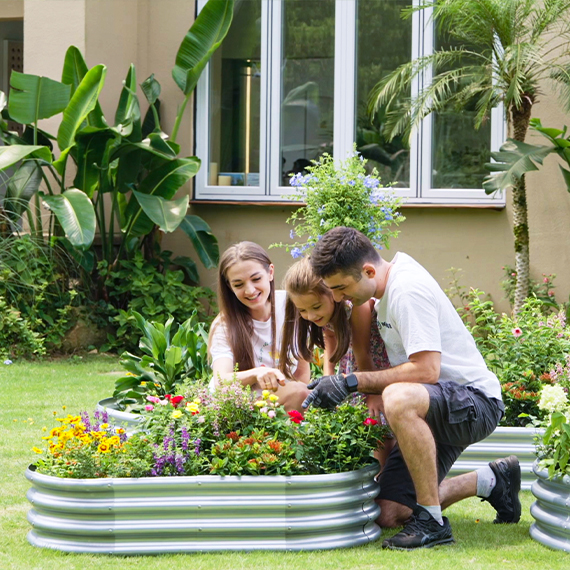
Drainage is another key consideration. Vegetables hate sitting in waterlogged soil, so avoid low-lying areas where water pools after rain. If your space has poor drainage, raised beds are a great solution—they elevate the soil, improve airflow, and make it easier to control soil quality.
2. Prep the Soil: The Foundation of a Healthy Garden
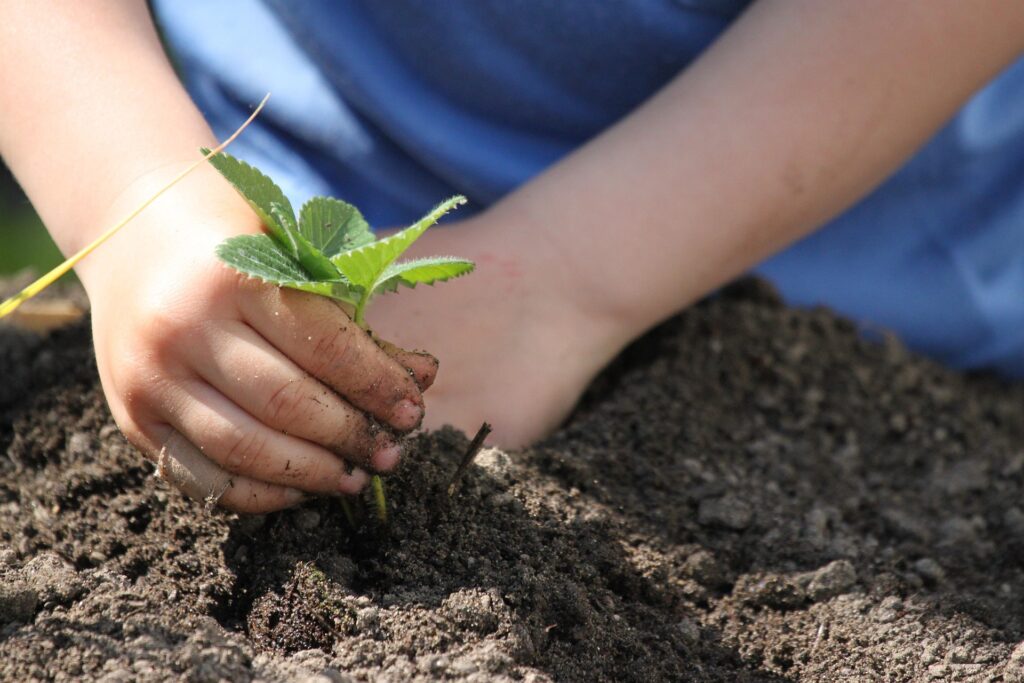
Healthy soil equals healthy plants. Start by clearing the area of weeds, rocks, and debris. Loosen the soil with a garden fork or tiller to a depth of 8-12 inches—this helps roots grow freely and access nutrients.
Most vegetables prefer well-draining, nutrient-rich soil with a slightly acidic to neutral pH (6.0-7.0). Amend your soil with organic matter like compost, aged manure, or leaf mold—this adds nutrients, improves soil structure, and feeds beneficial microbes. Avoid chemical fertilizers if you’re aiming for organic produce; natural amendments will build soil health over time.
3. Choose the Right Vegetables: Grow What You Love & What Thrives
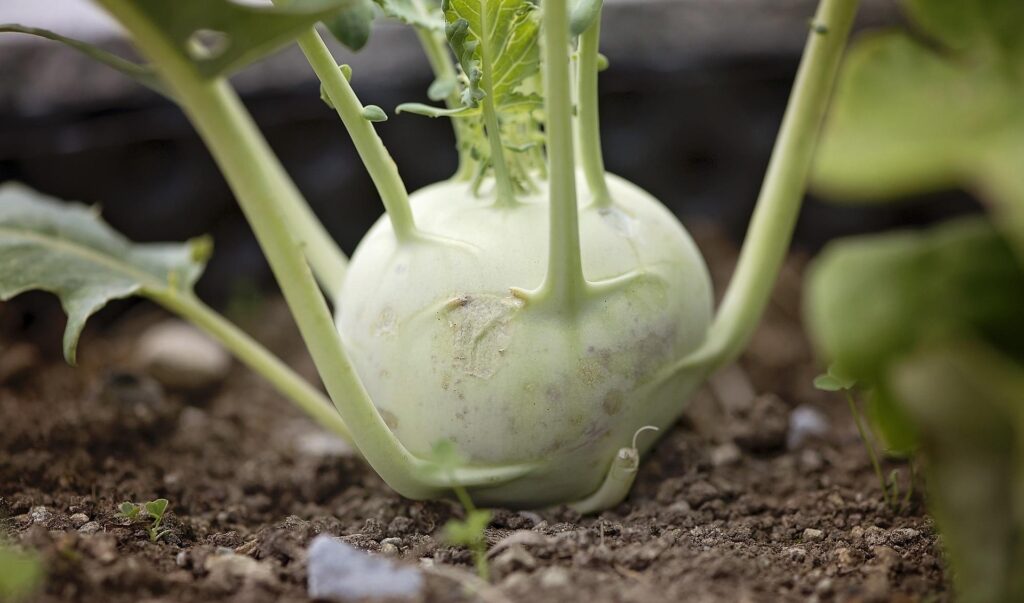
Focus on vegetables you and your family enjoy eating—there’s no point in growing something that will go to waste. For beginners, opt for easy-to-grow varieties that are resilient and high-yielding:
- Leafy greens: Lettuce, spinach, kale—these grow quickly and can be harvested repeatedly.
- Root vegetables: Carrots, radishes, beets—low-maintenance and perfect for small spaces.
- Warm-weather favorites: Tomatoes, peppers, zucchini—just ensure they get enough sun and support (tomatoes need stakes or cages).
Consider companion planting to maximize space and deter pests. For example, plant basil near tomatoes (it repels insects and enhances flavor) or marigolds around your garden to keep pests at bay.
4. Plant Smart: Follow Timing & Spacing Guidelines
Planting times depend on your climate—cool-season crops (lettuce, peas) can go in early, while warm-season crops (tomatoes, cucumbers) need to wait until after the last frost. Check seed packets or plant labels for specific guidance on sowing depth and spacing—overcrowding leads to competition for nutrients and sunlight, stunting growth.
You can start seeds indoors a few weeks before the outdoor planting date (great for tomatoes and peppers) or buy young seedlings from a local nursery for a head start. When transplanting seedlings, handle them gently by the leaves (not the stems) to avoid damaging roots.

5. Maintain & Harvest: Keep Your Garden Happy
Consistent care is key to a successful harvest. Water your garden deeply but infrequently—this encourages roots to grow deep into the soil. Early morning is the best time to water, as it reduces evaporation and prevents fungal diseases.
Weed regularly to keep unwanted plants from stealing nutrients. Mulch around your vegetables with straw, wood chips, or grass clippings—this suppresses weeds, retains moisture, and regulates soil temperature.
Harvest vegetables when they’re ripe—this encourages the plant to produce more. Leafy greens can be picked young for tenderness, while tomatoes and peppers should be harvested when they reach their full color. Don’t let overripe produce sit on the plant; it will divert energy from new growth.
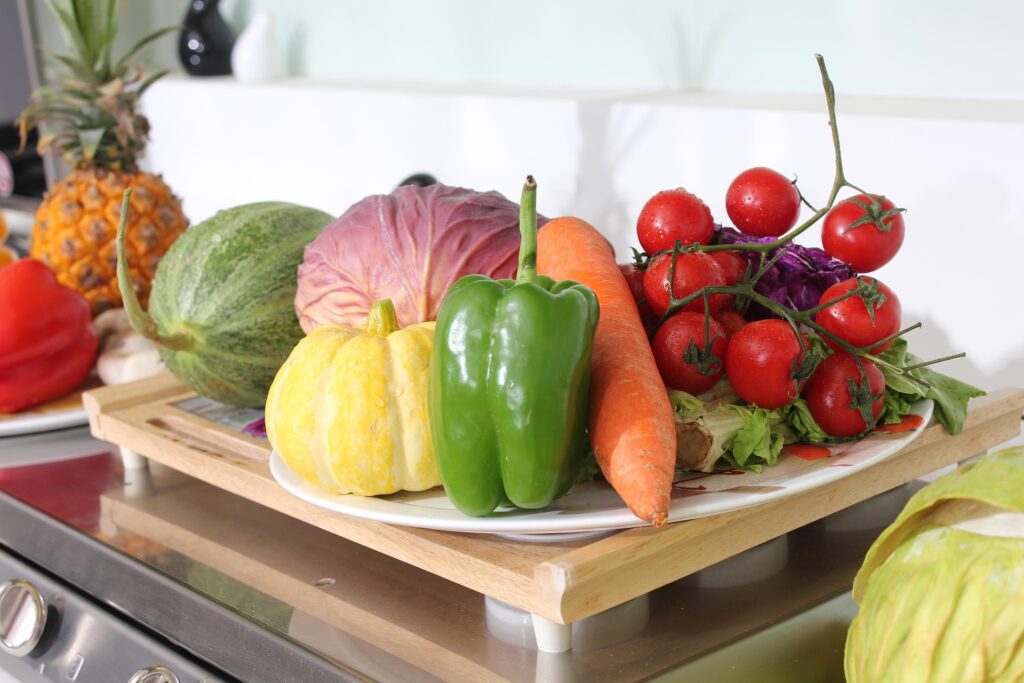
Final Thoughts: Enjoy the Process
Gardening is a journey, not a destination. You might encounter a few pests or failed crops along the way, but that’s all part of learning. The joy of biting into a vegetable you grew yourself makes every effort worth it. Start small, be patient, and let your garden evolve—before you know it, you’ll be enjoying a steady supply of fresh, homegrown produce.