
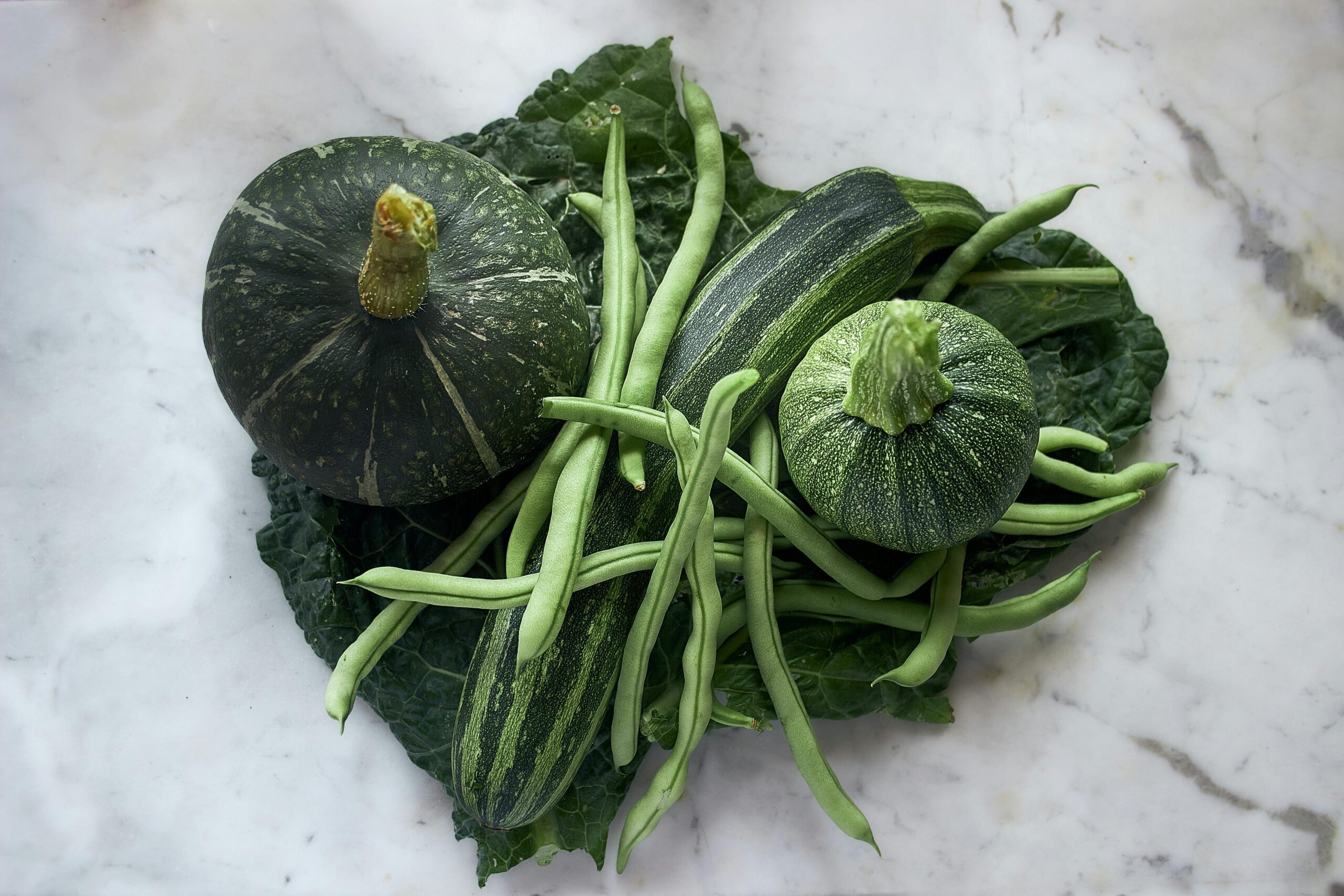
If you’re looking for a smarter, more natural way to grow food in your backyard, the Three Sisters planting method offers a time-tested solution. This technique combines corn, beans, and squash (or pumpkin) into a single, mutually beneficial growing system that maximizes space, improves soil health, and boosts yields.
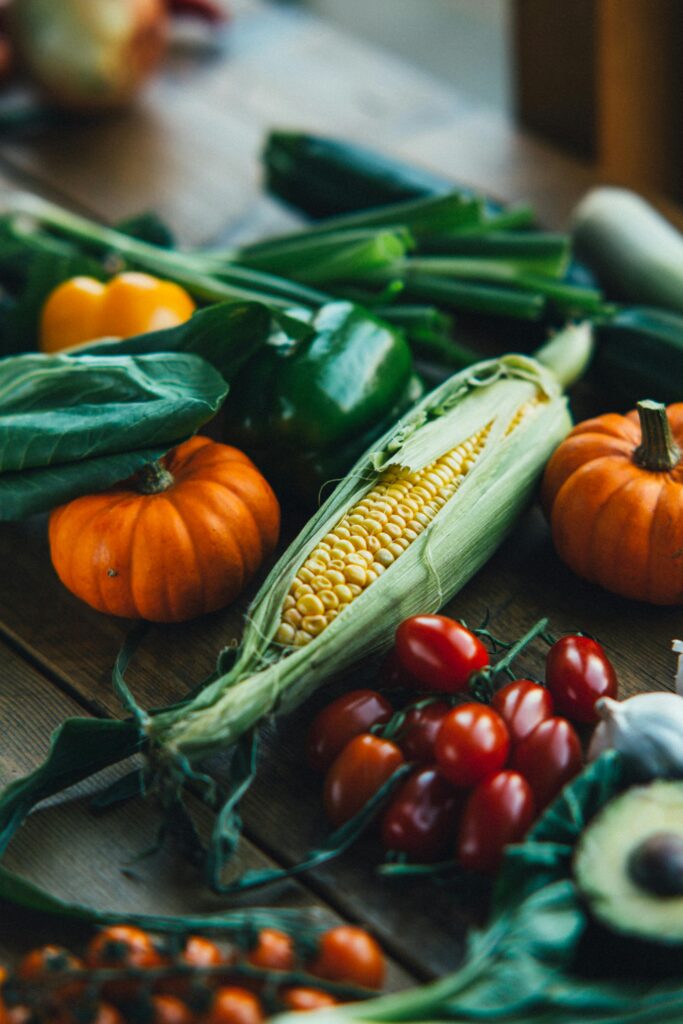
What Is the Three Sisters Method?
The Three Sisters method is a companion planting system where three crops work together:
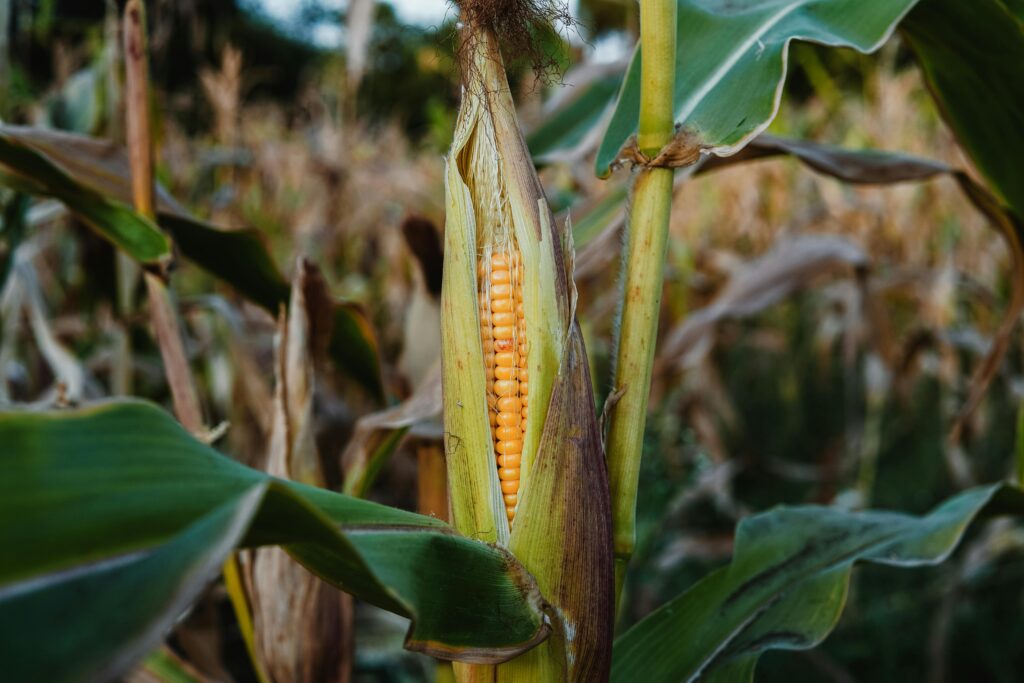
Corn grows tall and acts as a natural trellis
Beans climb the corn and enrich the soil with nitrogen
Squash (or pumpkin) spreads along the ground, covering the soil
Together, they create a self-supporting mini-ecosystem.
How Each Plant Contributes
- Corn: The Structural Support
Corn serves as the backbone of the system. Its tall, strong stalks provide a natural pole for beans to climb, eliminating the need for artificial supports.
- Beans: The Soil Builder
Beans are legumes, which means they fix nitrogen from the air into the soil. This natural fertilization helps all three plants grow stronger without synthetic inputs.
- Squash: The Living Mulch
Squash plants spread wide, with large leaves that:
Shade the soil
Reduce water evaporation
Suppress weeds
This keeps the soil cool, moist, and fertile.

Vertical Layering: Smart Use of Space
One of the most powerful aspects of this method is its layered growth structure:
Top layer: Corn absorbs sunlight
Middle layer: Beans climb upward
Bottom layer: Squash covers the ground
This vertical stacking allows you to grow more in less space—perfect for raised beds or small backyard gardens.
Growth Stages
The system develops in three simple stages:
Seedling stage – Corn is planted first
Growth stage – Beans are added once corn is established
Maturity stage – Squash spreads and fills in the ground layer
Timing is key to avoid competition and ensure harmony.
Water Retention & Soil Health
Thanks to the squash acting as a living mulch:
Soil retains moisture longer
Less frequent watering is needed
Soil erosion is reduced
Meanwhile, bean roots improve soil fertility, creating a sustainable growing cycle.
Key Benefits
Efficient use of space (vertical + horizontal)
Natural weed control
Improved soil fertility
Reduced need for fertilizers
Higher overall yield
Planting Tips for Success
Plant corn first, and let it grow about 6–12 inches tall
Add beans so they can climb the corn
Plant squash around the base to spread outward
Avoid overcrowding—give each plant room to grow
Choose a sunny location with well-drained soil
Quick Q&A: Common Planting Problems
Q1: My beans aren’t climbing the corn. What went wrong?
A: The corn may not be tall or sturdy enough yet. Plant beans only after corn is well established.
Q2: Why are my squash plants not spreading well?
A: They may lack space, sunlight, or nutrients. Ensure they aren’t shaded too heavily by corn.
Q3: The soil dries out too quickly—what should I do?
A: Add mulch or ensure squash plants are healthy and covering the soil properly to reduce evaporation.
Q4: My corn is falling over. Why?
A: This can happen due to wind or weak root systems. Plant corn in clusters (not single rows) for better stability.
Q5: Do I still need fertilizer?
A: Usually less than normal. Beans naturally add nitrogen, but you may still benefit from compost for balanced nutrients.
Q6: Can I grow this in a raised bed?
A: Yes! Just make sure the bed is large enough to accommodate all three crops without overcrowding.