

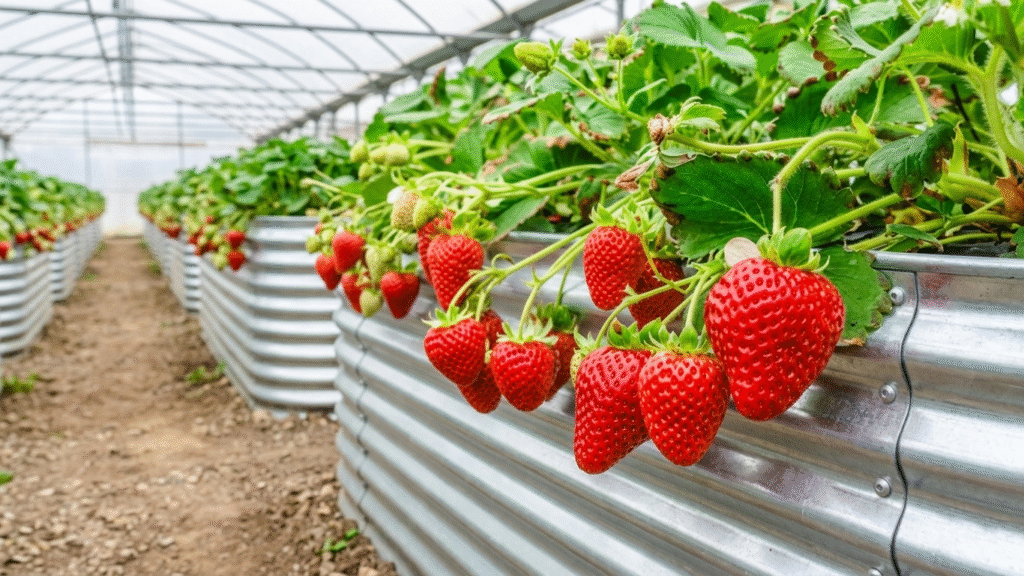
Strawberries are one of the most rewarding fruits to grow at home—sweet, productive, and surprisingly easy when given the right setup. The oval-shaped galvanized metal garden bed shown in the image is especially well-suited for cultivating strawberries in an American backyard, offering excellent drainage, soil control, and a clean, organized growing space.
1. Choosing the Right Strawberry Variety
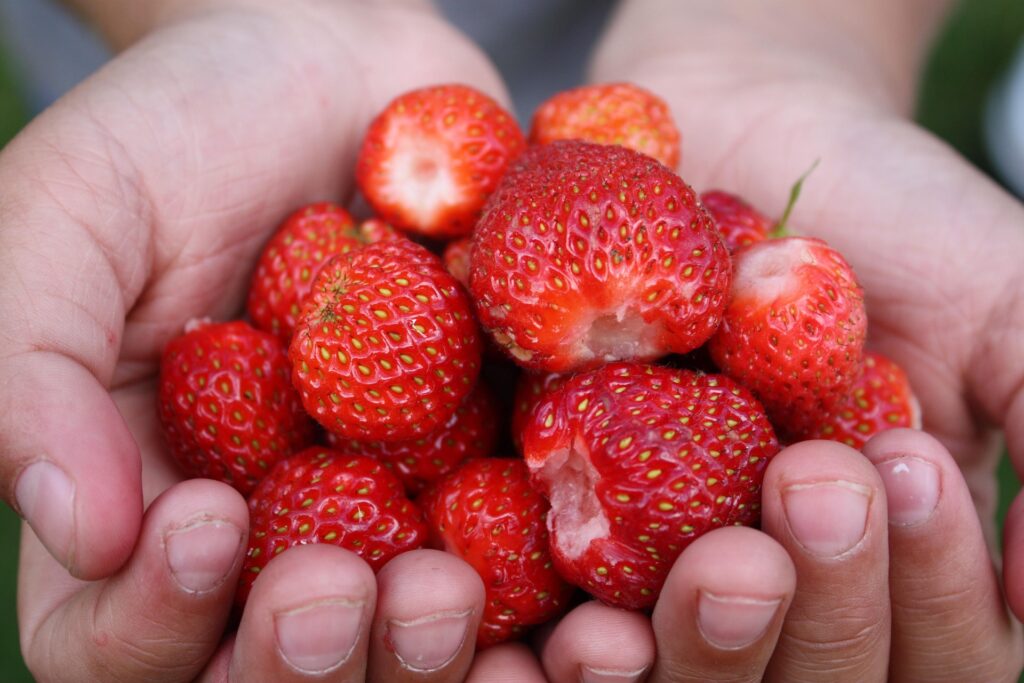
There are three main types of strawberries, each with unique characteristics:
- June-bearing: Produce one large crop per year, typically in late spring or early summer. Ideal for fresh eating, freezing, or making jams.
- Ever-bearing: Yield two to three smaller crops throughout the growing season. Great for consistent harvests and snacking.
- Day-neutral: Fruit continuously from spring through fall, regardless of day length. Perfect for long-season enjoyment.
Popular backyard varieties in the U.S. include ‘Earliglow’, ‘Albion’, and ‘Seascape’, known for flavor and disease resistance.
2. Selecting the Perfect Location
Strawberries thrive in full sun, requiring at least 6–8 hours of direct sunlight daily. Choose a location with well-draining soil to prevent root rot. Raised beds or containers work exceptionally well, as they improve drainage and reduce soil-borne diseases.
3. Preparing Your Soil
Strawberries prefer slightly acidic soil with a pH of 5.5–6.5. Before planting:
- Clear the area of weeds and debris.
- Mix in compost or aged manure to enrich the soil.
- Ensure the soil is loose and crumbly to encourage healthy root development.
4. Planting Strawberries
Plant strawberries in early spring after the danger of frost has passed. For raised beds:
- Space plants 12–18 inches apart, with rows 2–3 feet apart.
- Plant so that the crown (the growing tip) is just above soil level.
- Water thoroughly after planting to help roots settle.
Avoid deep planting, which can suffocate the crown, or shallow planting, which exposes roots to drying out.
5. Watering and Mulching
Strawberries need 1–2 inches of water per week, especially during fruiting. Use a drip irrigation system or water at the base to keep leaves dry and prevent disease.
Mulching with straw or pine needles helps:
- Retain soil moisture
- Suppress weeds
- Keep fruit clean and off the soil
6. Fertilizing and Maintenance
Apply a balanced fertilizer after the first harvest or in early spring. Avoid over-fertilizing, which can encourage leaf growth over fruit production.
Other maintenance tips:
- Remove runners if you want larger fruit and fewer plants.
- Regularly check for pests such as slugs, aphids, and birds. Netting can protect your harvest.
- Keep the garden bed free of weeds.
7. Harvesting Strawberries
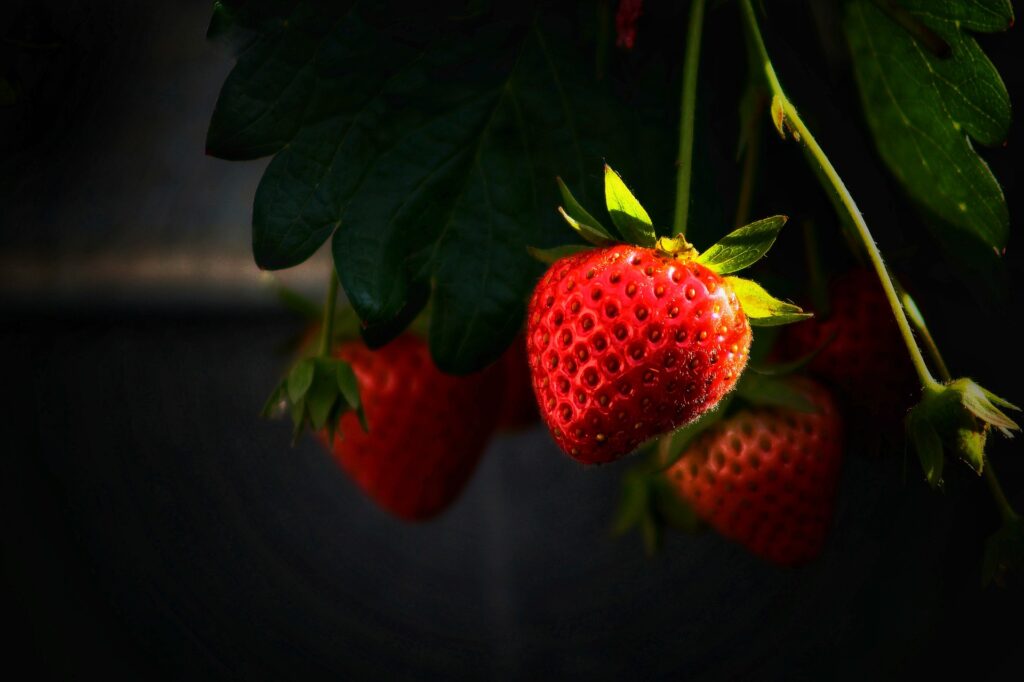
Strawberries are ready to pick when fully red and slightly soft. Harvest in the morning for the best flavor and gently twist the fruit off to avoid damaging the plant. Frequent picking encourages continuous fruiting in ever-bearing and day-neutral varieties.
8. Winter Care
In colder regions, protect strawberries during winter by:
- Applying a thick layer of straw or mulch over plants
- Using row covers to prevent frost damage
- Removing mulch in early spring as new growth begins
Final Thoughts
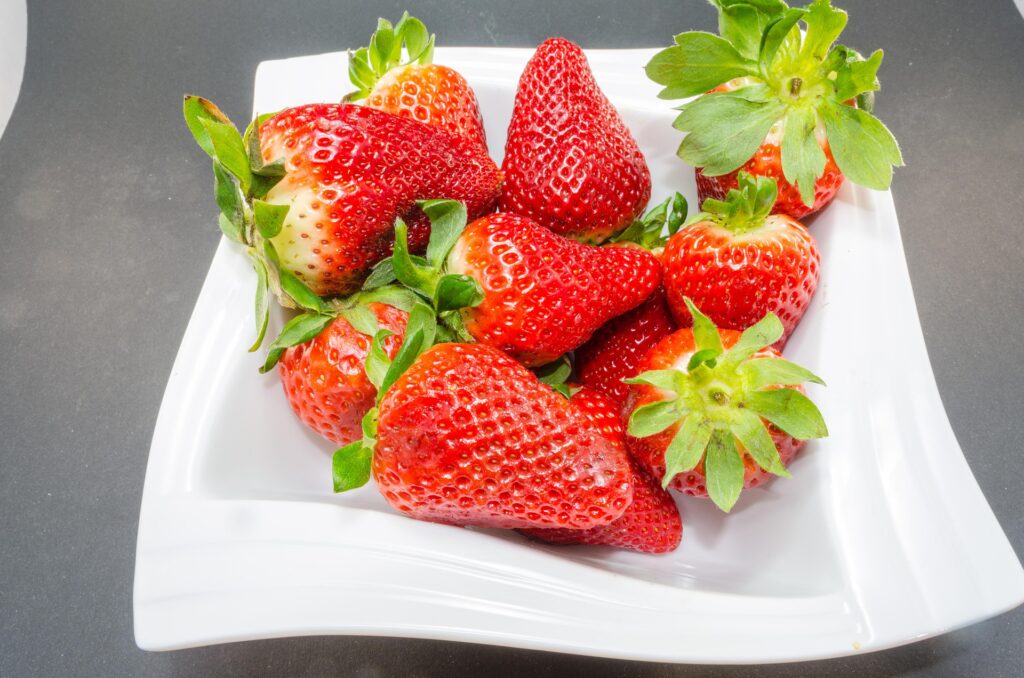
Growing strawberries in a backyard garden can be a delightful and productive endeavor. With proper variety selection, planting, and care, your garden can provide fresh, juicy berries for desserts, jams, or snacking throughout the growing season. Start small, give your plants attention, and enjoy the sweet rewards of your labor.