
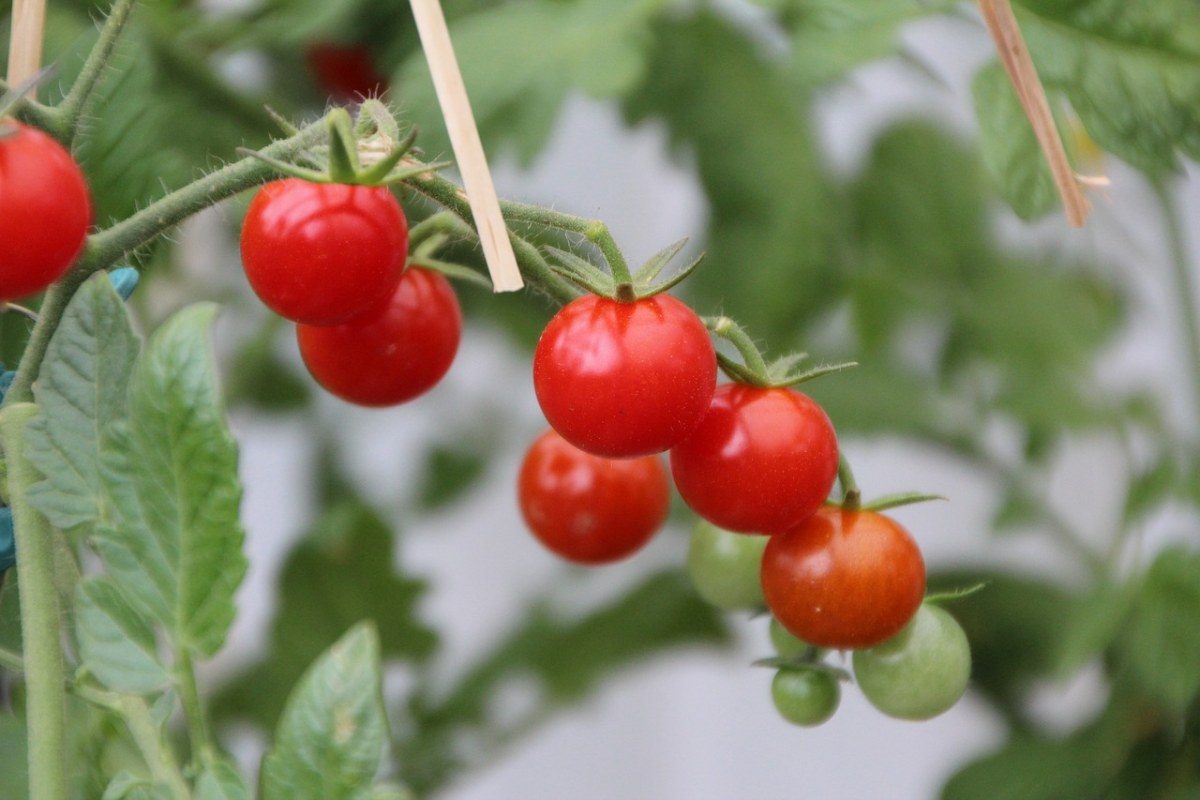
March is an important month for tomato planting in the United States—but whether you should plant outdoors, start seeds indoors, or wait depends heavily on your region, climate zone, and frost risk. Tomatoes are warm-season plants that are sensitive to cold temperatures, so timing is critical for success.
This guide explains what you can do in March, how planting differs between northern and southern regions, and essential notes to ensure healthy plants and a productive harvest.
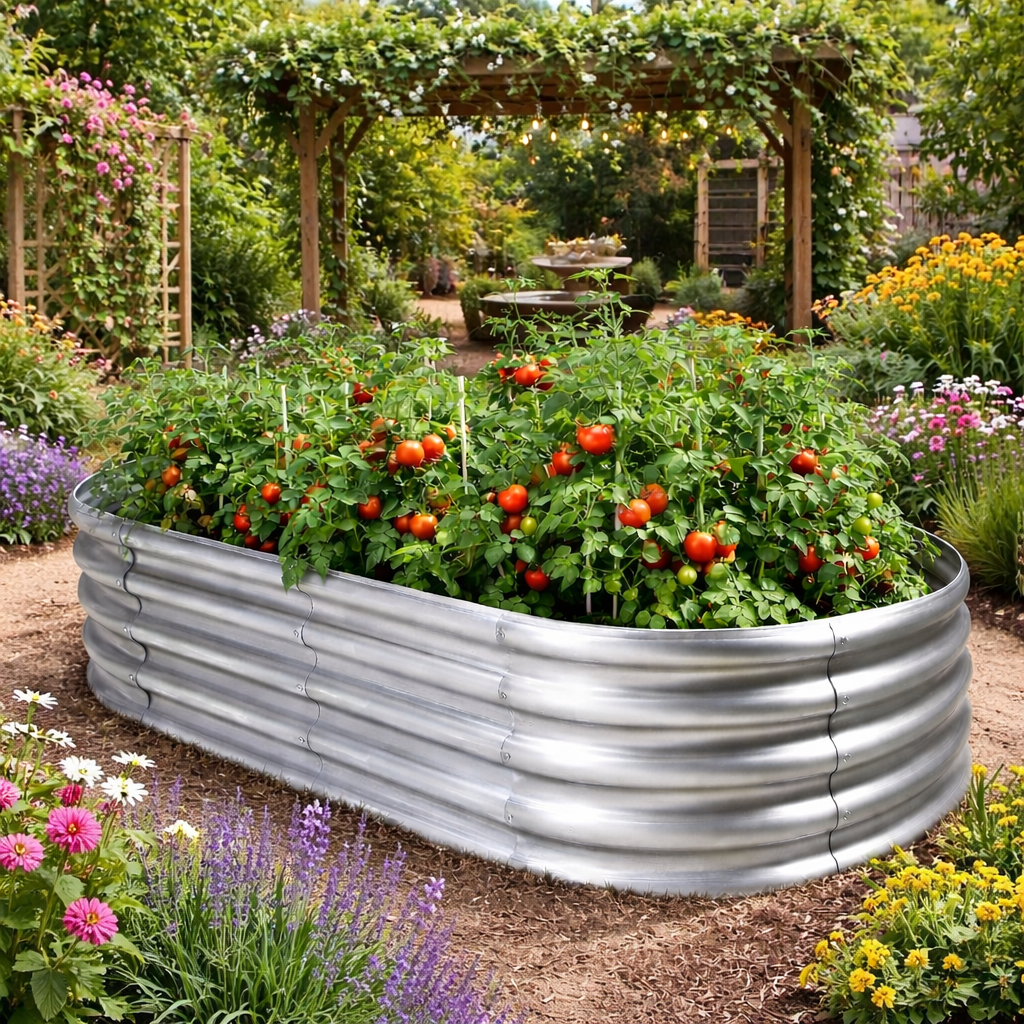
1. Understanding Tomato Temperature Requirements
Tomatoes thrive in warm conditions and are easily damaged by cold. Before planting outdoors, several temperature conditions must be met:
- Soil temperature should be at least 60°F (15.5°C) for proper root growth.
- Nighttime air temperatures should remain consistently above 50°F (10°C).
- Ideal daytime temperatures range between 70°F and 85°F (21°C–29°C).
- Planting too early in cold soil can stunt growth and increase disease risk.
Because of these requirements, March planting outdoors is only suitable in warmer regions.
2. What You Can Do in March (General Overview)
In March, gardeners in the United States typically do one of the following:
In warm southern regions:
- Transplant tomato seedlings outdoors
- Direct sow seeds outdoors (in some climates)
In cooler northern regions:
- Start seeds indoors
- Prepare soil and garden beds
- Wait until late spring to transplant outdoors
Most gardeners start tomato seeds indoors 6–8 weeks before their last frost date, which often falls in March for northern areas.
3. Major Differences Between Northern and Southern United States
The U.S. spans many climate zones, so planting times vary significantly.
Southern United States (Zones 8–11)
Examples: Southern California, Texas, Florida, Arizona, Georgia
Typical timing:
- Last frost: February to March
- Outdoor planting: February through April
- March is often ideal for outdoor planting
For example:
- Zone 9 areas such as Southern California often transplant tomatoes between February 15 and March 15.
- Southwest and Southern regions commonly plant tomatoes in March and April.
Southern advantages:
- Longer growing season
- Earlier planting possible
- Possibility of multiple harvests per year
However, southern gardeners must also watch for heat stress later in the season.
Northern United States (Zones 3–6)
Examples: New York, Michigan, Illinois, Minnesota, Maine
Typical timing:
- Last frost: April to June
- Outdoor planting: May to early June
- March is too early for outdoor planting
Northern gardeners should:
- Start seeds indoors in March
- Transplant outdoors in May or June
For example:
- Midwest and Northeast regions typically transplant tomatoes between May and early June.
- Zones 4–5 usually plant outdoors in late May or early June.
Planting outdoors in March in northern climates would expose plants to frost damage.
Mid-Latitude Regions (Zones 6–7)
Examples: Virginia, Tennessee, Northern California, Missouri
Typical timing:
- Last frost: March to April
- Outdoor planting: April to May
- March is usually still too early, but seed starting indoors is ideal
These areas represent a transition zone, and planting dates depend heavily on local weather conditions.
4. Regional Summary Table
| Region | March Activity | Outdoor Planting Time |
|---|---|---|
| South (Zones 8–11) | Plant outdoors or transplant seedlings | February–April |
| Mid regions (Zones 6–7) | Start seeds indoors | April–May |
| North (Zones 3–6) | Start seeds indoors only | May–June |
| Mountain regions | Start seeds indoors | Late May–June |
5. Key Factors That Matter More Than Calendar Dates
Frost date (most important)
The last spring frost determines when tomatoes can safely go outdoors. Tomatoes should be planted after the last frost date, or slightly later for safety.
Soil temperature
Even if frost has passed, soil must be warm enough for root growth. Cold soil slows development and increases disease risk.
Local microclimate
Conditions vary depending on:
- Elevation
- Urban vs rural location
- Coastal vs inland climate
- Wind exposure
Local variations can shift planting times by weeks.
6. Important Steps for Planting Tomatoes Successfully
Step 1: Start seeds indoors (March for most regions)
- Use seed trays with good drainage
- Provide warmth and strong light
- Start 6–8 weeks before outdoor planting
Step 2: Harden off seedlings
Before transplanting outdoors:
- Gradually expose plants to outdoor conditions for 1–2 weeks
- This prevents transplant shock
Step 3: Transplant at the right time
Only transplant when:
- Frost risk has passed
- Soil temperature is at least 60°F
- Night temperatures stay above 50°F
7. Special Advice for March Planting in Southern California and Similar Climates
If you live in warmer areas such as Southern California, Texas, or Florida:
March is often an excellent time to:
- Transplant tomato seedlings outdoors
- Direct sow in warm soil
- Begin full outdoor growing season
However, be prepared to protect plants from unexpected cold snaps.
8. Common Mistakes to Avoid
Avoid these common errors:
Planting too early
Cold temperatures can stunt plants permanently.
Ignoring soil temperature
Warm air does not always mean warm soil.
Not checking local frost dates
Always use local frost information, not national averages.
Skipping hardening off
Seedlings must adjust gradually to outdoor conditions.
9. Conclusion
March is a key transition month for tomato planting in the United States, but the correct action depends on your region:
- Southern U.S.: March is ideal for outdoor planting
- Northern U.S.: March is ideal for starting seeds indoors
- Mid-latitude regions: Prepare seedlings and wait until April or May
The most important rule is to plant tomatoes only after frost danger has passed and soil temperatures reach at least 60°F.
With proper timing and preparation, tomato plants will grow strong and produce abundant fruit throughout the summer.