Adding greenery to your space doesn’t have to be complicated—even if you’re new to gardening or have a busy schedule. The key is choosing plants that thrive in each season’s natural conditions, requiring minimal care while still bringing beauty and life to your home or outdoor area. Below, we’ve curated a list of low-maintenance, resilient plants for every season, with professional insights to help you keep them healthy year-round.
Spring: Hardy Blooms & Fresh Foliage
Spring brings mild temperatures and increased sunlight, making it the perfect time to introduce plants that wake up easily from dormancy. These varieties tolerate cool nights and occasional light frost, while producing vibrant blooms or lush growth.
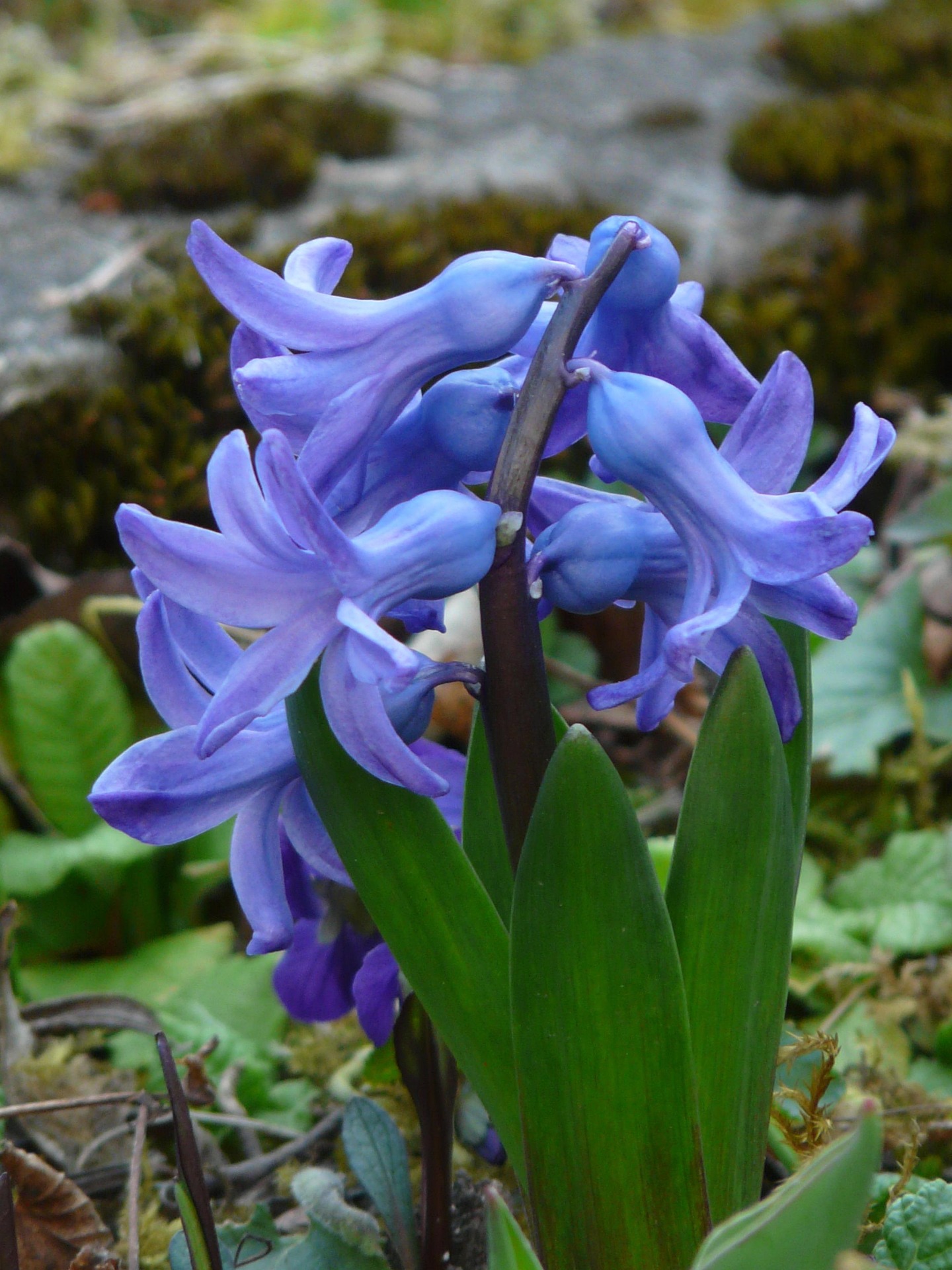
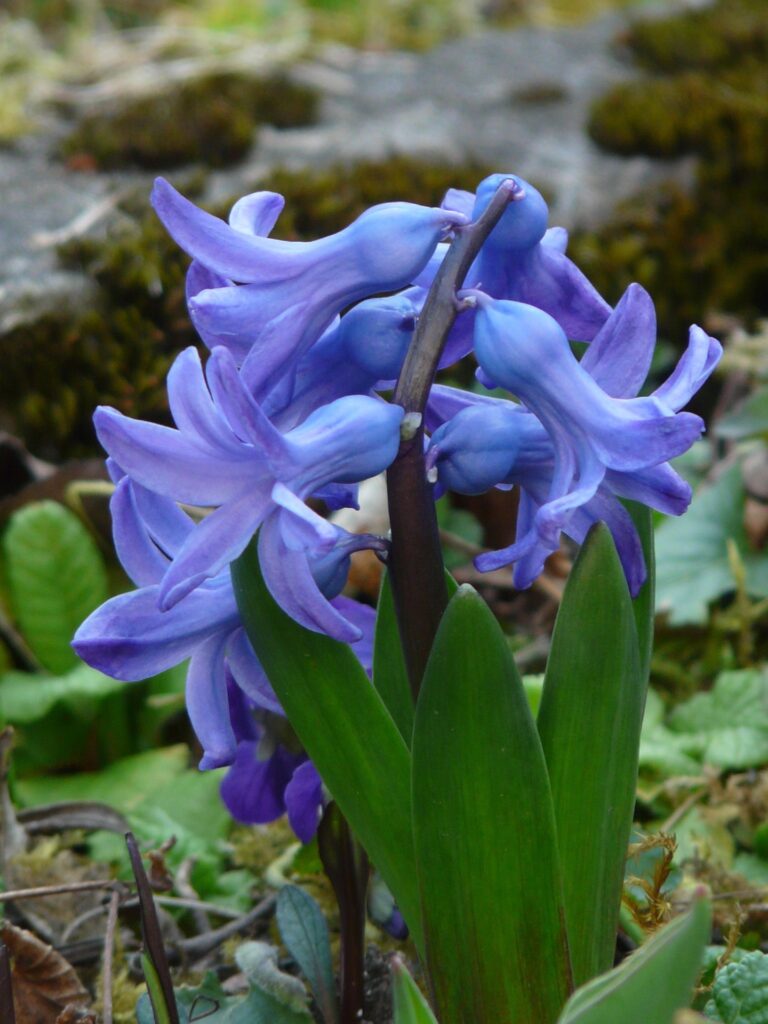
- Hyacinths (Hyacinthus orientalis): A bulbous perennial that thrives in spring. Plant bulbs in well-draining soil with 4-6 hours of direct sunlight daily. Water moderately—allow the top inch of soil to dry between waterings. They bloom in bold hues (purple, pink, white) and emit a fragrant scent, requiring no pruning beyond deadheading spent blooms.
- Ivy (Hedera helix): A versatile evergreen vine that adapts to spring’s changing conditions. It tolerates partial to full shade and needs only occasional watering (keep soil moist but not waterlogged). Ivy is low-maintenance, grows quickly, and works well in hanging baskets or as ground cover, with no need for frequent fertilizing.
- Daffodils (Narcissus): Another resilient bulb plant that withstands cool spring weather. Plant bulbs in fall for spring blooms; they prefer full sun and well-draining soil. Water sparingly—overwatering causes bulb rot. Daffodils are pest-resistant and return yearly, making them a long-term, low-effort choice.
Summer: Heat-Tolerant & Drought-Resistant Varieties
Summer’s high temperatures and intense sunlight demand plants that can handle dry spells and heat stress. These varieties are drought-tolerant, require minimal water, and thrive in full sun—ideal for busy gardeners.
- Succulents (Echeveria, Sedum): Thick, fleshy leaves store water, making them perfect for summer’s heat. They need 6-8 hours of direct sunlight daily and well-draining soil (use a cactus mix). Water only when the soil is completely dry—overwatering is the biggest threat. Succulents are slow-growing and require no pruning, making them极低维护.
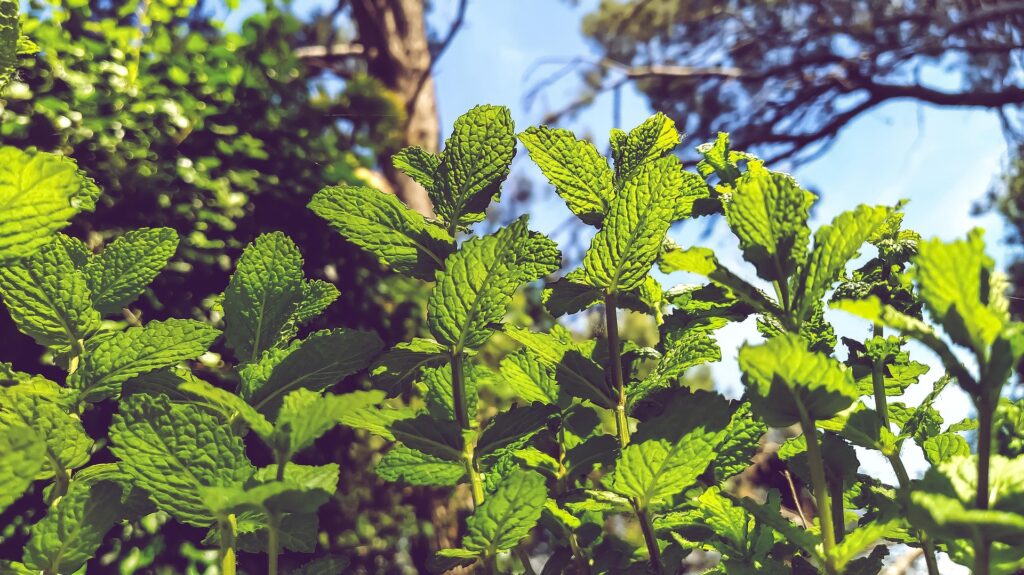
- Mint (Mentha): A hardy herb that thrives in summer warmth. It tolerates full sun to partial shade and needs consistent moisture (keep soil evenly damp but not soggy). Mint grows rapidly and can be harvested regularly—pinching back stems encourages bushier growth. It’s pest-resistant and adaptable to containers or garden beds.
- Zinnias (Zinnia elegans): Annual flowers that bloom brightly in summer heat. They need full sun (6+ hours daily) and well-draining soil. Water at the base of the plant to avoid leaf rot; deadhead spent blooms to promote continuous flowering. Zinnias are drought-tolerant once established and attract pollinators, adding extra life to your space.
Fall: Cool-Weather Champions
As temperatures drop, fall-friendly plants thrive in cooler weather and shorter days. These varieties often produce rich, warm hues and can withstand light frost, extending your garden’s beauty into the cooler months.
- Chrysanthemums (Chrysanthemum): Fall’s iconic flower, available in a range of warm colors (orange, yellow, red). They need full sun (6+ hours daily) and well-draining soil. Water deeply once a week, allowing the top inch of soil to dry between waterings. Pinch back stems in early summer to encourage bushier growth and more blooms—no other pruning is needed.
- Ornamental Kale (Brassica oleracea): A striking foliage plant with ruffled, colorful leaves (purple, white, green). It tolerates cool temperatures and light frost, thriving in full sun to partial shade. Water moderately (keep soil moist) and plant in nutrient-rich, well-draining soil. Ornamental kale is low-maintenance and adds texture to fall gardens or containers.
- Asters (Aster novae-angliae): Perennial flowers that bloom in late summer to fall, attracting bees and butterflies. They need full sun and well-draining soil. Water regularly during dry spells, but avoid overwatering. Deadhead spent blooms to prolong flowering; cut back stems in late fall after frost for winter dormancy.
Winter: Cold-Hardy & Indoor-Ready Plants
Winter’s cold temperatures and limited sunlight call for plants that can withstand frost (for outdoor spaces) or thrive indoors with minimal light. These varieties are tough, low-maintenance, and add greenery to the darkest months.
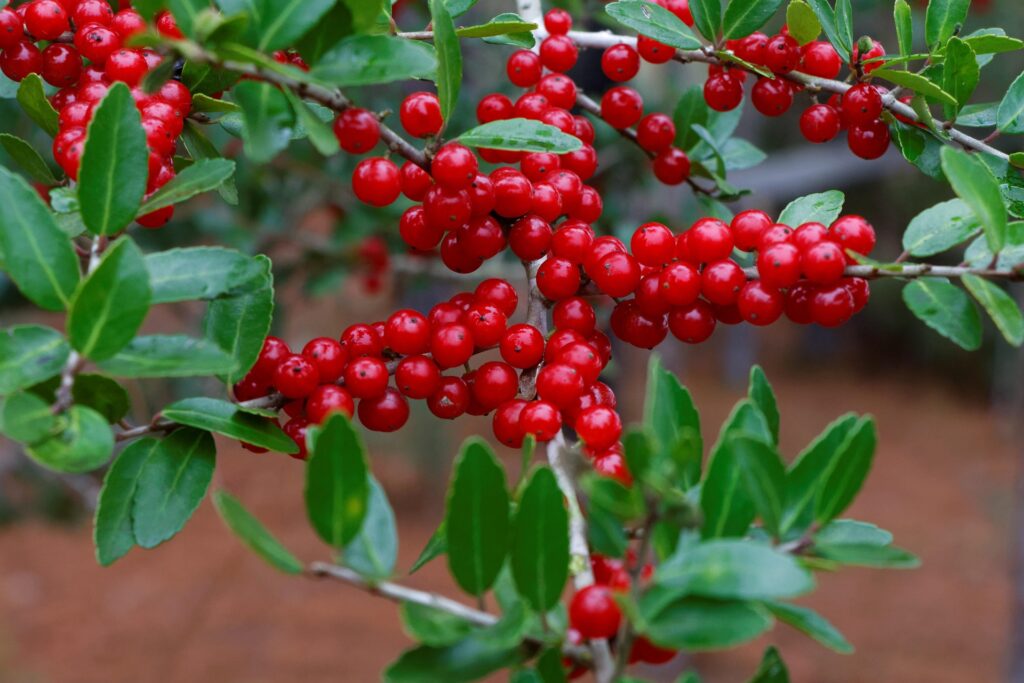
- Holly (Ilex): An evergreen shrub with glossy leaves and bright berries (in female plants) that add color to winter gardens. It tolerates cold temperatures and full sun to partial shade. Water deeply once a month in winter (avoid overwatering when soil is cold). Holly is slow-growing and requires minimal pruning—only trim to shape if needed.
- Snake Plant (Sansevieria trifasciata): An indoor plant that thrives in low light and dry conditions—perfect for winter. It tolerates cold temperatures (down to 50°F/10°C) and needs water only every 2-3 weeks (allow soil to dry completely). Snake plants are air-purifying, pest-resistant, and require no pruning, making them ideal for busy homeowners.
- Winter Jasmine (Jasminum nudiflorum): A deciduous vine that blooms in late winter (before leaves emerge) with bright yellow flowers. It tolerates cold temperatures and partial shade, growing well on walls or fences. Water moderately in winter (keep soil slightly moist) and prune after flowering to control growth. Winter jasmine is hardy and low-maintenance, adding a pop of color to cold gardens.
Final Tip: Regardless of the season, choose plants that match your space’s light and moisture conditions—this is the key to keeping them healthy with minimal effort. All the varieties above are beginner-friendly, resilient, and designed to thrive in their respective seasons, so you can enjoy greenery year-round without the stress of high-maintenance care.